Montessori toys are designed to foster creativity, independence, and critical thinking in children. Rooted in the Montessori educational philosophy developed by Dr. Maria Montessori, these toys encourage hands-on learning and exploration. As the market for Montessori toys continues to expand, understanding their benefits, trends, and the latest innovations can help parents and educators make informed choices. This article delves into the multifaceted world of Montessori toys, highlighting their significance, current trends, and notable products.
The Significance of Montessori Toys
Montessori toys are not just playthings; they are essential tools that support a child’s developmental journey. These toys are specifically designed to cater to the natural learning processes of children, promoting self-directed activity and hands-on learning. Unlike traditional toys that often emphasize passive play, Montessori toys encourage children to engage actively with their environment.
One of the core principles of Montessori education is the idea of “learning through play.” Montessori toys are crafted to stimulate a child’s curiosity and creativity, allowing them to explore concepts such as physics, mathematics, and language in a tangible way. For instance, toys that involve building or construction can help children grasp fundamental engineering principles while enhancing their fine motor skills.
Developmental Benefits
The benefits of Montessori toys extend beyond mere entertainment. They are designed to align with various developmental stages, ensuring that children are challenged appropriately as they grow. For example, younger children may benefit from toys that focus on sensory exploration, while older children might engage with more complex problem-solving toys.
Research indicates that play is crucial for cognitive development. Montessori toys, with their emphasis on open-ended play, allow children to experiment, make mistakes, and learn from them. This process fosters resilience and critical thinking skills, which are invaluable throughout life.
Supporting Independence and Confidence
Montessori toys also promote independence. By allowing children to choose their activities and engage with toys at their own pace, these toys help build self-confidence. Children learn to make decisions, solve problems, and take responsibility for their learning, which are essential skills for their future.
Moreover, the hands-on nature of Montessori toys encourages children to explore their interests deeply. This exploration not only enhances their learning experience but also instills a love for learning that can last a lifetime.
Current Trends in Montessori Toys
The Montessori toy market is evolving rapidly, driven by technological advancements, sustainability concerns, and changing consumer preferences. As of 2025, several key trends are shaping the landscape of Montessori toys.
Market Growth and Demand
The global market for Montessori learning toys is projected to grow significantly, with estimates indicating an increase from USD 2.5 billion in 2024 to USD 5.1 billion by 2033. This growth reflects a compound annual growth rate (CAGR) of 8.7% from 2026 to 2033. The rising demand for educational toys that promote cognitive development is a primary driver of this market expansion.
Particularly in the Asia-Pacific region, the adoption of Montessori toys is accelerating due to factors such as increasing disposable incomes, government initiatives promoting early childhood education, and urbanization. As parents become more aware of the benefits of Montessori education, the demand for these toys is expected to continue its upward trajectory.
Technological Integration
In recent years, the integration of technology into Montessori toys has gained momentum. AI and smart technologies are enhancing personalized learning experiences. For instance, AI-powered language learning toys can adapt to a child’s developmental stage, providing customized educational content that aligns with their learning pace.
Additionally, augmented reality (AR) applications are being incorporated into Montessori toys, allowing children to interact with digital elements while engaging in hands-on play. This blend of physical and digital learning environments enriches the educational experience, making learning more dynamic and engaging.
Sustainability and Eco-Friendly Materials
As environmental awareness grows, the Montessori toy industry is increasingly focusing on sustainability. Manufacturers are prioritizing eco-friendly materials such as bamboo, recycled plastics, and organic fabrics to create toys that are safe for children and the planet.
Consumer Preferences
Today’s consumers are more conscious of the materials used in the toys they purchase. A significant portion of parents prioritize eco-friendly and non-toxic materials when selecting toys for their children. This trend underscores the importance of sustainability in product development, pushing manufacturers to adopt greener practices.
Brands that emphasize sustainability not only appeal to environmentally conscious consumers but also contribute to a healthier planet for future generations. As a result, many Montessori toy companies are now highlighting their commitment to eco-friendly practices in their marketing efforts.
Inclusivity and Sensory Play
Inclusivity is another vital aspect of modern Montessori toys. Many toys are being designed to cater to children with diverse learning needs, ensuring that all children have access to enriching play experiences. Adaptive learning kits and sensory play tools support self-regulation and cognitive development, making Montessori toys accessible to a broader audience.
Sensory Stimulation
Toys that stimulate various senses—sight, sound, touch, and smell—are gaining popularity. These sensory toys enhance cognitive development and fine motor skills, aligning with Montessori principles of hands-on learning. For example, toys that incorporate different textures or sounds can engage children in meaningful ways, fostering exploration and discovery.
By providing sensory-rich experiences, these toys help children develop essential skills while enjoying the learning process. This focus on sensory play is particularly beneficial for children with sensory processing challenges, as it allows them to engage with their environment in a supportive manner.
Open-Ended and Multi-Use Toys
Open-ended toys that encourage creativity and problem-solving are increasingly in demand. Modular building sets, for instance, can be assembled in various configurations, promoting imaginative play and engineering skills. These toys allow children to explore their creativity without limitations, fostering innovation and critical thinking.
Convertible Toys
Convertible toys that transform into multiple play experiences are also gaining traction. Examples include puzzles that become play mats or blocks that form marble runs. These multifunctional toys maximize playtime utility and support diverse learning activities, making them a valuable addition to any child’s toy collection.
By offering various ways to play, these toys encourage children to think outside the box and engage in different types of play, further enhancing their learning experiences.
Notable Products and Brands
Several brands have emerged as leaders in the Montessori toy market, offering high-quality products that adhere to Montessori principles. One notable example is Lovevery, which provides Montessori-inspired play kits designed for various developmental stages. These kits feature sustainably sourced materials and age-appropriate activities that promote problem-solving and motor skills.
Another prominent brand is Melissa & Doug, known for its wide range of high-quality wooden toys that promote creative and imaginative play. Their commitment to producing safe, durable, and eco-friendly toys aligns with the values of the Montessori philosophy.
Consumer Insights and Feedback
As the Montessori toy market continues to grow, consumer feedback plays a crucial role in shaping product development. Parents and educators often prioritize durability and quality in Montessori toys, seeking products that can withstand prolonged use while maintaining their educational value.
Safety Concerns
However, some consumers have raised concerns about safety aspects, such as choking hazards and assembly issues in Montessori toys. Addressing these concerns is essential for manufacturers to maintain consumer trust and satisfaction. Ensuring that toys are designed with safety in mind can help alleviate worries and encourage more parents to invest in Montessori toys.
By focusing on safety, durability, and quality, manufacturers can create products that not only meet educational needs but also provide peace of mind for parents.
Flourish Community Care
Flourish Community Care is dedicated to supporting families in their parenting journey. By providing resources and guidance on child development, Flourish Community Care empowers parents to make informed decisions about their children’s education and play. The organization emphasizes the importance of choosing high-quality, developmentally appropriate toys, such as Montessori toys, to enhance children’s learning experiences.
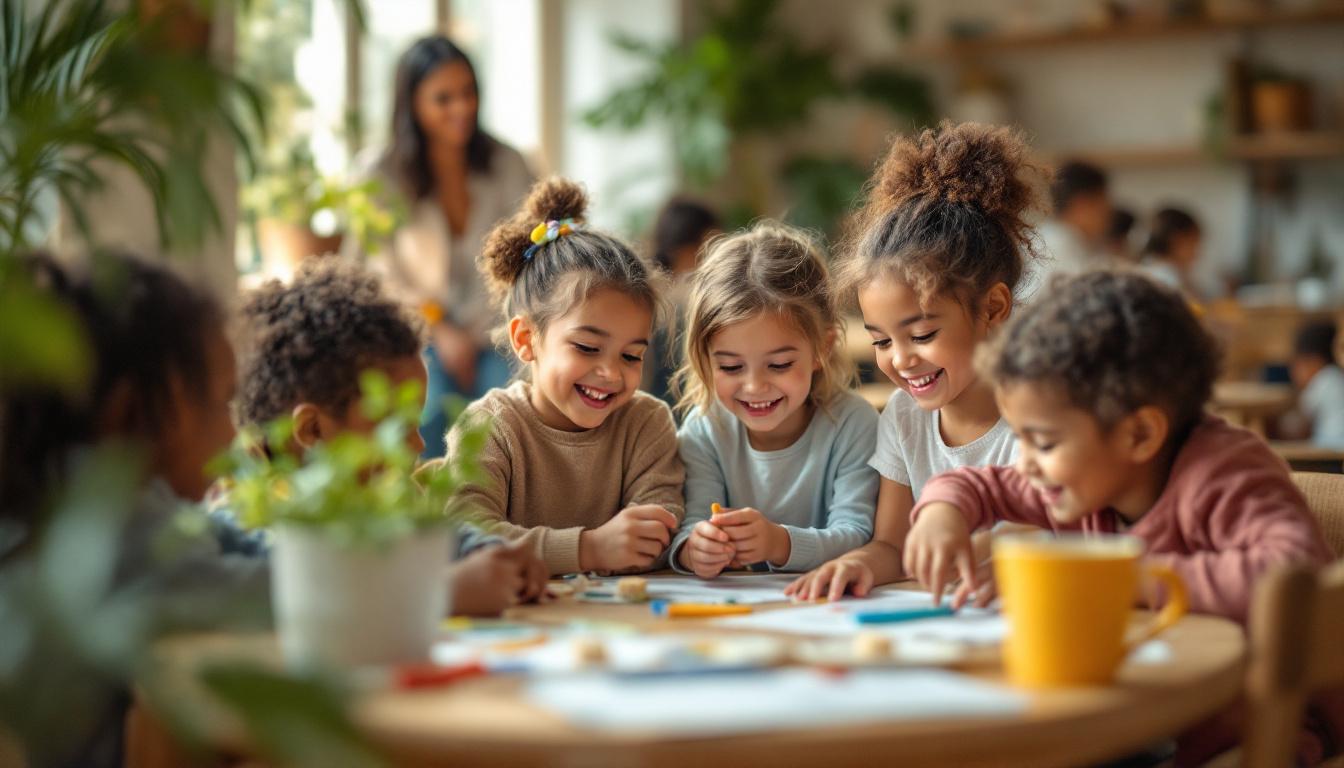
Through workshops, community events, and informative content, Flourish Community Care aims to foster a supportive environment for families, ensuring that every child has the opportunity to thrive. By promoting the values of the Montessori philosophy, Flourish Community Care encourages parents to embrace the power of play in their children’s development.
In conclusion, Montessori toys represent a significant advancement in the realm of educational play. With their focus on hands-on learning, creativity, and sustainability, these toys are shaping the future of childhood education. As the market continues to evolve, staying informed about trends and innovations will help parents and educators make the best choices for the children in their care.