
Ovulation tests are essential tools for women seeking to understand their fertility cycles better. By detecting hormonal changes in the body, these tests help identify the most fertile days, increasing the chances of conception. This guide delves into the various types of ovulation tests, their accuracy, considerations for women with irregular cycles, and recommendations for selecting the right test.
What Are Ovulation Tests?
Ovulation tests are designed to predict a woman’s ovulation period by measuring specific hormones in her body. The primary hormones monitored are luteinizing hormone (LH) and estrogen. A surge in LH typically occurs 12 to 36 hours before ovulation, making it a crucial indicator for timing intercourse to enhance the likelihood of conception.
These tests can be beneficial for women trying to conceive, as they provide insights into their fertility patterns. By identifying the peak fertility window, couples can optimize their chances of conception during their most fertile days.
Types of Ovulation Tests
Urine-Based Test Strips
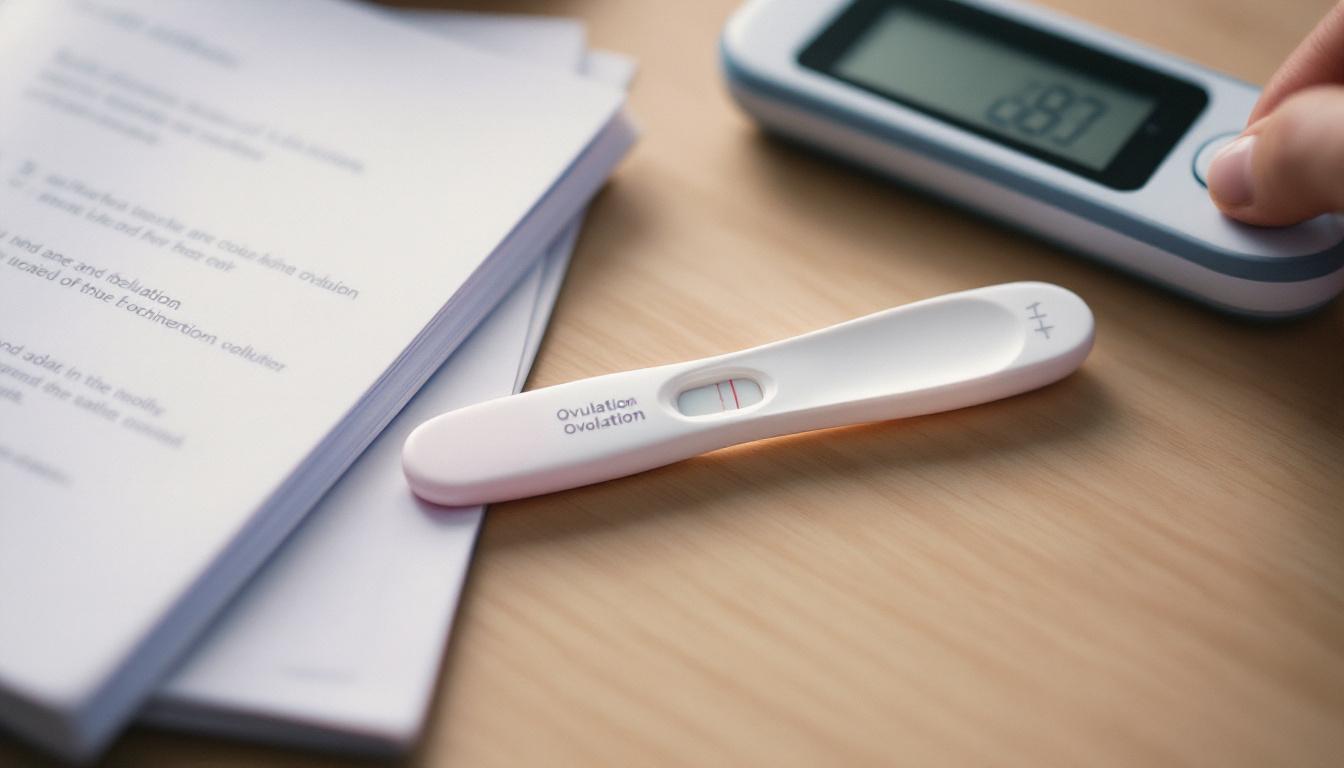
Urine-based test strips are the most common and affordable option available. Users simply dip a strip into their urine and wait for a result, usually within minutes. These tests are easy to use and provide a clear indication of LH levels, helping users identify their fertile window.
Many women appreciate the simplicity and accessibility of these test strips, making them a popular choice for those new to ovulation tracking. They are widely available in pharmacies and online, often at a lower price point than digital alternatives.
Digital Ovulation Test Kits
Digital ovulation test kits offer a more advanced option for tracking fertility. These devices provide digital readings and often feature smiley face indicators to signify fertility status. The digital format eliminates the guesswork associated with interpreting line colors on test strips, making it easier for users to understand their results.
Some digital kits also integrate with mobile apps, allowing users to track their cycles and receive personalized insights. This added functionality can enhance the user experience and provide valuable data for those trying to conceive.
Wearable Fertility Trackers
Wearable fertility trackers, such as the Ava Fertility Bracelet, represent a new frontier in ovulation testing. These devices monitor various physiological parameters, including skin temperature, heart rate, and sleep patterns, to predict ovulation. The Ava Fertility Tracker is FDA-cleared and claims up to 90% accuracy in detecting a person’s ovulation window.
For women with busy lifestyles, wearable devices offer continuous monitoring without the need for daily testing. This convenience can be particularly appealing for those who may forget to take a test each day or prefer a more hands-off approach to tracking their fertility.
Accuracy and Effectiveness of Ovulation Tests
Clearblue Advanced Digital Ovulation Test Kit
The Clearblue Advanced Digital Ovulation Test Kit is renowned for its accuracy and effectiveness. This kit tracks both estrogen and LH levels, identifying four or more fertile days each cycle. Users appreciate the integration with a free app that monitors cycles and peak fertility probabilities, making it easier to plan for conception.
Research indicates that ovulation tests can increase the chances of conception by up to 75% in the first cycle. Additionally, approximately 80% of couples conceive within six months of using ovulation tests, highlighting their effectiveness in aiding fertility efforts.
Mira Hormone Monitor Max Kit
The Mira Hormone Monitor Max Kit offers a comprehensive approach to tracking ovulation by monitoring LH, estrogen, and progesterone levels. This kit is particularly beneficial for women with irregular cycles, as it provides a color-coded chart of ovulation patterns each month.
By tracking multiple hormones, the Mira kit can offer more accurate predictions, helping women understand their unique fertility patterns. This level of detail can be invaluable for those who may struggle with traditional ovulation tests.
Considerations for Women with Irregular Cycles
Women with irregular cycles may find it challenging to predict ovulation using standard tests. Traditional ovulation tests often rely on a predictable cycle length, making them less effective for those with varying menstrual patterns. In such cases, comprehensive hormone tracking kits like the Mira Hormone Monitor Max Kit can provide more reliable insights.
Additionally, wearable devices like the Ava Fertility Bracelet offer continuous monitoring, allowing women to track their fertility without the need for daily testing. This can be particularly beneficial for those who may forget to take a test each day or prefer a more hands-off approach to tracking their fertility.
User Reviews and Recommendations
Proov Predict & Confirm Kit
The Proov Predict & Confirm Kit has received positive reviews for its educational component, especially beneficial for women with conditions like PCOS. This kit uses an app to analyze test strip photos, creating an “ovulation score” to indicate fertility likelihood. Users appreciate the detailed insights provided by the app, which can help them understand their fertility patterns more clearly.
MomMed Ovulation Test Strips
MomMed Ovulation Test Strips are known for their straightforward instructions and ease of use. These budget-friendly strips provide results within five minutes, making them a popular choice for frequent testing. Users appreciate their simplicity and reliability, making them an excellent option for those new to ovulation tracking.
Recent Developments in Ovulation Testing
In recent years, advancements in technology have led to the development of more sophisticated ovulation testing systems. For instance, in 2017, Clearblue launched the Clearblue Connected Ovulation Test System, which connects via Bluetooth to a user’s phone. This system tracks two hormones and syncs results to the phone, offering a monthly calendar and cycle comparison charts.
These innovations reflect a growing trend towards integrating technology with fertility tracking, providing users with more comprehensive insights into their reproductive health. As technology continues to evolve, we can expect even more advancements in ovulation testing methods.
Recommendations for Choosing an Ovulation Test
When selecting an ovulation test, several factors should be considered to ensure the best fit for individual needs:
- Cycle Regularity: For women with irregular cycles, comprehensive hormone tracking kits or wearable devices may offer more accurate predictions.
- Budget: Test strips are cost-effective for frequent testing, while digital kits and wearable devices may require a higher initial investment but offer additional features.
- User Experience: Choose a test that aligns with your comfort and convenience, whether it’s a simple strip test or a high-tech wearable device.
Flourish Community Care
Flourish Community Care is dedicated to providing support and resources for women navigating their reproductive health. With a focus on education and empowerment, Flourish Community Care offers a range of services designed to assist women in understanding their fertility and making informed decisions about their health.
By prioritizing personalized care and expert guidance, Flourish Community Care aims to create a supportive environment for women as they embark on their fertility journeys. Whether through educational resources or one-on-one consultations, Flourish Community Care is committed to helping women thrive.
In summary, ovulation tests are invaluable tools for women seeking to understand their fertility cycles. With various options available, including urine-based test strips, digital kits, and wearable devices, women can choose the method that best suits their needs. By considering factors such as cycle regularity, budget, and user experience, individuals can make informed decisions that enhance their chances of conception.
For those looking to optimize their fertility tracking, exploring the latest advancements in ovulation testing can provide additional insights and support. By staying informed and utilizing the right tools, women can take proactive steps toward achieving their reproductive goals.