Pregnancy cravings are a fascinating aspect of the journey to motherhood, often leaving expectant individuals wondering about their origins and timing. These cravings can range from the mundane to the bizarre, and understanding when they start and why can provide valuable insights into the pregnancy experience. This article delves into the onset of pregnancy cravings, their common types, possible causes, and tips for managing them effectively.
The Onset of Pregnancy Cravings
First Trimester (Weeks 1–12)
Cravings can begin as early as the first trimester, with some individuals reporting them as soon as five weeks into their pregnancy. This early onset is often attributed to significant hormonal fluctuations that occur during this period. The body experiences a surge in hormones such as estrogen and progesterone, which can heighten sensitivity to taste and smell, leading to unexpected food desires. For many, the first trimester is a time of adjustment, and these cravings can serve as a reflection of the body’s changing nutritional needs.
During this stage, cravings may be mild and sporadic. Some individuals may find themselves suddenly longing for foods they previously had no interest in. For example, a person who typically avoids sweets might suddenly crave chocolate or ice cream. This early craving phase can be both exciting and perplexing, as it often signals the beginning of a transformative journey.
Second Trimester (Weeks 13–26)
The second trimester is often characterized by an increase in appetite and a stabilization of hormones, which can lead to intensified cravings. Many individuals report that their cravings peak around weeks 14 to 20. This period is marked by a growing belly and heightened energy levels, which may contribute to a more pronounced desire for specific foods. The body is working hard to support the developing fetus, and cravings may reflect nutritional needs that arise during this crucial time.
Common cravings during the second trimester can include a mix of sweet, salty, and even spicy foods. Some may find themselves reaching for salty snacks like chips or pretzels, while others might crave sweet treats or tangy citrus fruits. This diversity in cravings can be attributed to the body’s need for various nutrients, including carbohydrates, fats, and electrolytes.
Third Trimester (Weeks 27–40)
During the third trimester, it’s essential to maintain a balanced diet despite the cravings. While indulging occasionally is generally safe, prioritizing nutrient-dense foods can help ensure both the mother and baby receive the necessary nourishment. This is also a time when some individuals may experience cravings for unusual combinations or even non-food items, a phenomenon known as pica.
Common Pregnancy Cravings
Sweet Foods
Sweet cravings are among the most frequently reported during pregnancy. Many individuals find themselves yearning for chocolate, ice cream, and fruit juices. These cravings can be attributed to hormonal changes that increase sensitivity to sweet flavors, as well as the body’s need for quick energy sources. Sweets can provide a quick boost, which may be particularly appealing during the fatigue that often accompanies pregnancy.
Salty Snacks
Salty cravings are also common, with many individuals reaching for chips, pretzels, or pickles. These cravings may indicate a need for sodium, especially as the body undergoes significant changes in blood volume and fluid retention during pregnancy. Salty snacks can also provide a satisfying contrast to the sweetness of other cravings, creating a balance that many find appealing.
Spicy and Sour Foods
Some individuals may develop a taste for spicy foods, such as salsa, curry, or hot sauces. The desire for spicy flavors can be linked to hormonal changes that alter taste perceptions. Similarly, cravings for sour foods, like citrus fruits or vinegar-based dishes, can arise as the body seeks to balance flavors and textures in the diet. These cravings can also be a way to combat nausea, which is common in the early stages of pregnancy.
Unusual Combinations and Pica
Pregnancy cravings can sometimes lead to unusual food pairings, such as pickles with ice cream or peanut butter with chocolate. These combinations may seem strange to others but can provide comfort and satisfaction to the individual experiencing them. In some cases, cravings may extend beyond food to non-food items, a condition known as pica. This can include cravings for substances like dirt, chalk, or laundry starch, which may indicate a deficiency in certain nutrients.
Understanding the Causes of Pregnancy Cravings
Hormonal Changes
The exact cause of pregnancy cravings remains a topic of research, but hormonal changes are widely believed to play a significant role. Elevated levels of hormones like estrogen and progesterone can alter taste and smell perceptions, leading to cravings for specific foods. These hormonal shifts can create a heightened sensitivity to flavors, making certain foods more appealing than they were prior to pregnancy.
Nutritional Needs
Cravings may also reflect the body’s nutritional needs during pregnancy. For instance, a craving for salty foods might indicate a need for sodium, while a desire for dairy products could signal a need for calcium. The body is undergoing significant changes, and cravings can serve as a way for individuals to intuitively seek out the nutrients they require for both themselves and their developing baby.
Psychological Factors
Emotional and psychological changes during pregnancy can also influence food preferences and cravings. The experience of pregnancy is often accompanied by a range of emotions, from joy to anxiety, and food can serve as a source of comfort during this time. Cravings may be linked to mood changes, with certain foods providing a sense of nostalgia or emotional support. Understanding these psychological factors can help individuals navigate their cravings with greater awareness.
Managing Pregnancy Cravings
Indulging Wisely
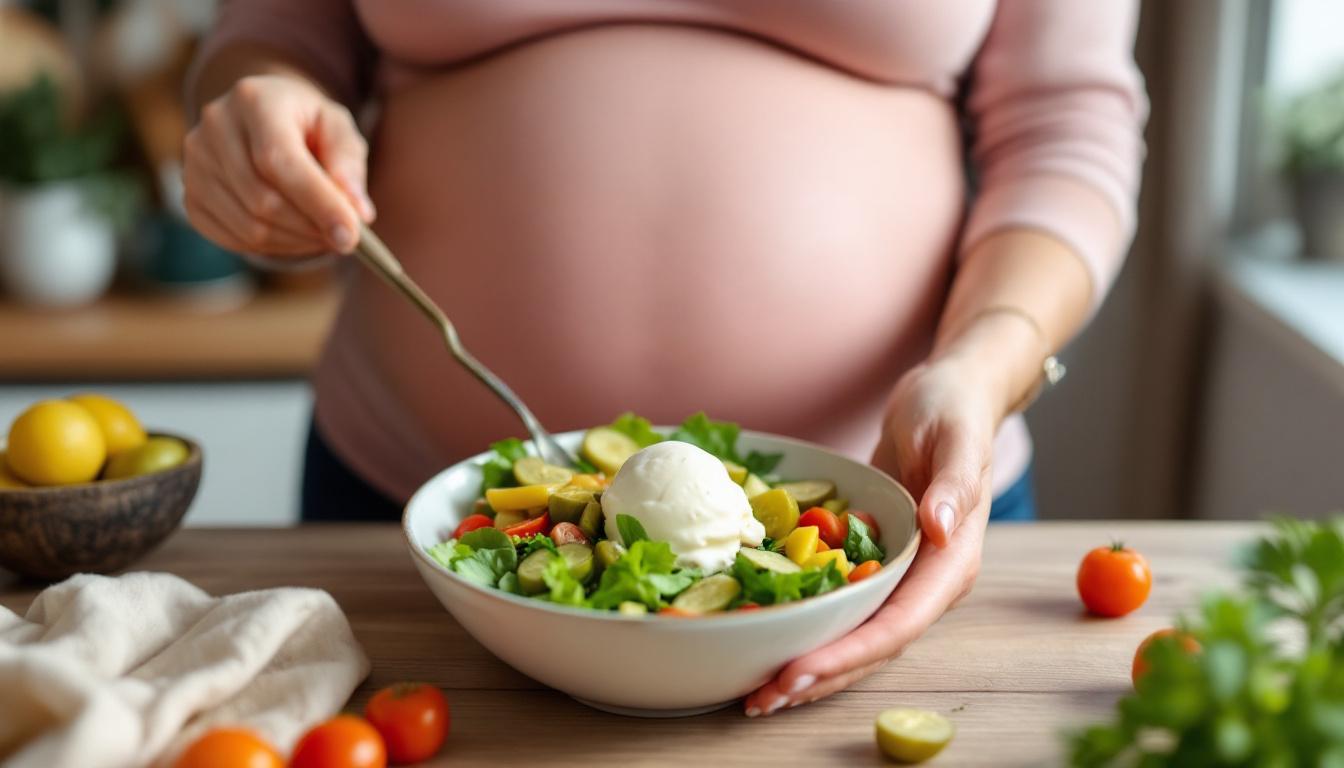
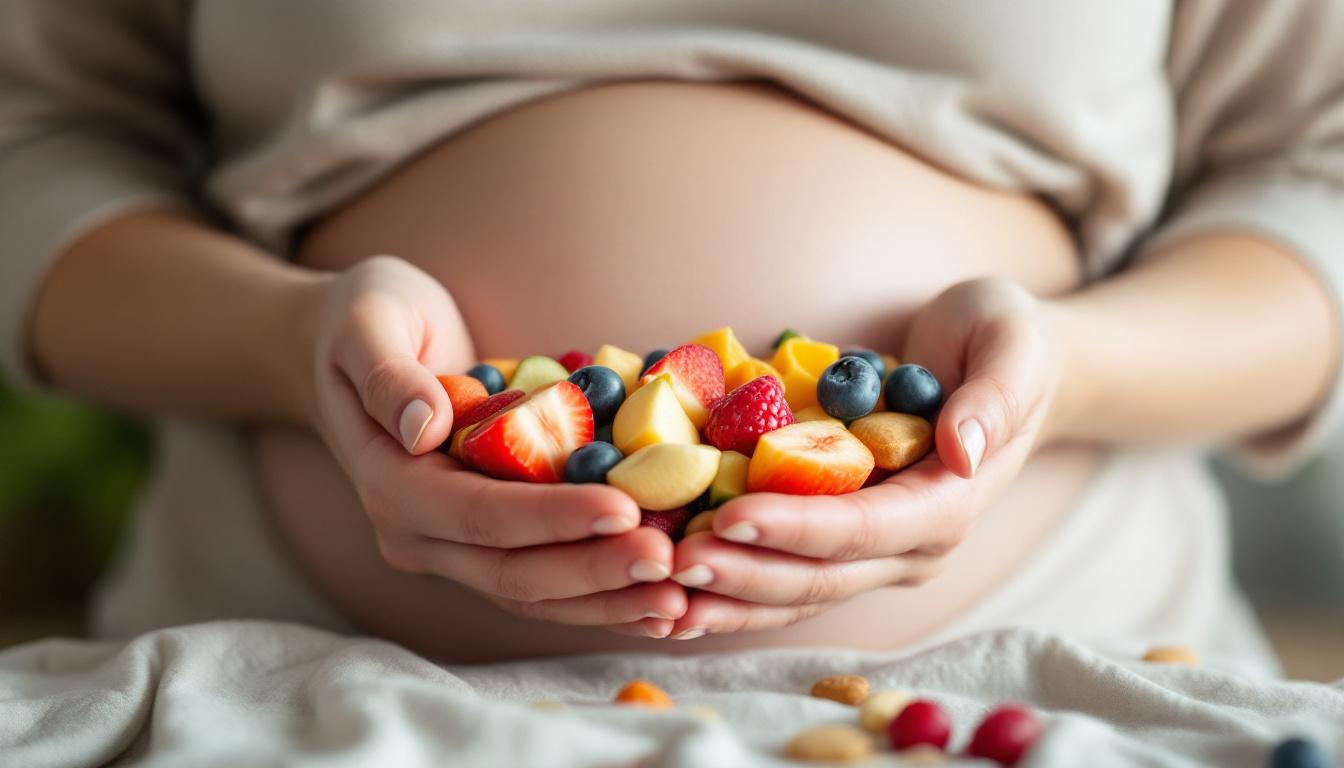
While it’s generally safe to indulge in cravings occasionally, it’s essential to maintain a balanced diet throughout pregnancy. Prioritizing nutrient-dense foods can help ensure that both the mother and baby receive the necessary nourishment. When cravings arise, consider opting for healthier alternatives that satisfy the desire without compromising nutritional needs. For example, if craving sweets, try fresh fruit or yogurt instead of processed desserts.
Consulting Healthcare Providers
If cravings become intense or persistent, it’s advisable to consult a healthcare provider. They can help rule out any underlying conditions and provide guidance on managing cravings effectively. In some cases, cravings may indicate a deficiency in certain nutrients, and a healthcare provider can recommend appropriate dietary adjustments or supplements.
Listening to Your Body
Ultimately, it’s essential to listen to your body during pregnancy. Cravings can provide insight into nutritional needs and emotional states. By paying attention to these signals, individuals can make informed choices that support their health and well-being. Keeping a food journal can also be helpful in tracking cravings and identifying patterns, allowing for a better understanding of personal dietary needs.
Flourish Community Care
Flourish Community Care is dedicated to supporting individuals throughout their pregnancy journey. With a focus on holistic care, they provide resources and guidance to help expectant individuals navigate the complexities of pregnancy, including managing cravings and maintaining a balanced diet. Their team of experienced professionals is committed to empowering individuals with the knowledge and support they need to thrive during this transformative time.
For more information on pregnancy cravings and holistic care, visit Flourish Community Care.