
Pregnancy can be a beautiful journey, but it often comes with its fair share of challenges, one of which is nausea. Many expectant mothers experience nausea, especially during the first trimester. Fortunately, certain foods can help alleviate this discomfort. This article explores various foods that are known to combat nausea during pregnancy, providing insights into how they work and tips for incorporating them into your diet.
Ginger: A Time-Tested Remedy
Ginger has been used for centuries as a natural remedy for nausea. Its active compounds, gingerols and shogaols, have been shown to have anti-nausea effects. Studies suggest that ginger can be effective in reducing nausea and vomiting during pregnancy. Expectant mothers can consume ginger in various forms, including ginger tea, ginger ale, or even ginger candies. Adding fresh ginger to meals, such as soups and stir-fries, can also enhance flavor while providing relief.
For those who prefer a warm beverage, ginger tea is an excellent option. Simply steep fresh ginger slices in hot water for a soothing drink. Alternatively, ginger ale can be a refreshing choice, but it’s essential to opt for brands that contain real ginger rather than artificial flavors. This way, you can enjoy the benefits without unnecessary additives.
Bland, Easy-to-Digest Foods
When nausea strikes, the last thing you may want is a heavy meal. Bland foods, often referred to as the B.R.A.T. diet (bananas, rice, applesauce, and toast), are gentle on the stomach and can help absorb excess stomach acids. These foods are not only easy to digest but also provide essential nutrients that are beneficial during pregnancy.
Incorporating these foods into your diet can be as simple as having a slice of toast with a small amount of peanut butter or enjoying a bowl of applesauce as a snack. Bananas are particularly helpful due to their potassium content, which can help replenish electrolytes, especially if nausea leads to vomiting.
High-Protein Foods for Stability
Protein-rich foods play a crucial role in stabilizing blood sugar levels, which can help reduce feelings of nausea. Incorporating foods like chicken, beans, eggs, and Greek yogurt into your meals can provide the necessary protein while keeping nausea at bay. These foods also meet the increased protein needs during pregnancy, supporting both maternal health and fetal development.
Snacking on protein-rich foods can be particularly effective. For example, a small serving of Greek yogurt topped with fruit can be a nutritious and satisfying option. Similarly, nut butter on whole-grain toast or a handful of nuts can provide a quick protein boost while being gentle on the stomach.
Cold Foods and Beverages
Many pregnant women find that cold foods are easier to tolerate than warm ones, as they often have less intense odors. Cold sandwiches, salads, yogurt, and smoothies can be refreshing and soothing. Additionally, chilled fruits like watermelon and berries can provide hydration and essential nutrients without overwhelming the senses.
For those struggling with nausea, consider preparing a smoothie with spinach, banana, and yogurt. This combination not only offers a cooling effect but also packs a nutritional punch. Alternatively, a simple salad with mixed greens and cold chicken can be a satisfying meal that is easy to digest.
Herbal Teas for Comfort
Certain herbal teas, such as chamomile, peppermint, and lemon ginger, have been known to provide relief from nausea. Sipping on these teas throughout the day can help calm the stomach and ease discomfort. Peppermint tea, in particular, is renowned for its soothing properties and can be a delightful way to hydrate while alleviating nausea.
When preparing herbal teas, it’s essential to choose caffeine-free options to ensure they are safe during pregnancy. A warm cup of chamomile tea before bed can also promote relaxation, making it a great addition to your evening routine.
Hydration and High-Water Content Foods
Staying hydrated is crucial during pregnancy, especially when dealing with nausea. Consuming fruits and vegetables with high water content, such as cucumbers, strawberries, and watermelon, can help keep you hydrated while also providing essential vitamins and minerals. These foods are light on the stomach and can be a refreshing addition to your diet.
Consider making a fruit salad with a mix of high-water content fruits or blending a smoothie with cucumber and spinach for a hydrating treat. These options not only help with hydration but also provide a variety of nutrients that support overall health during pregnancy.
Vitamin B6-Rich Foods
Vitamin B6 has been shown to reduce nausea during pregnancy. Foods rich in this vitamin include salmon, avocados, sunflower seeds, and bananas. Incorporating these foods into your diet can help manage nausea while also providing essential nutrients for both mother and baby.
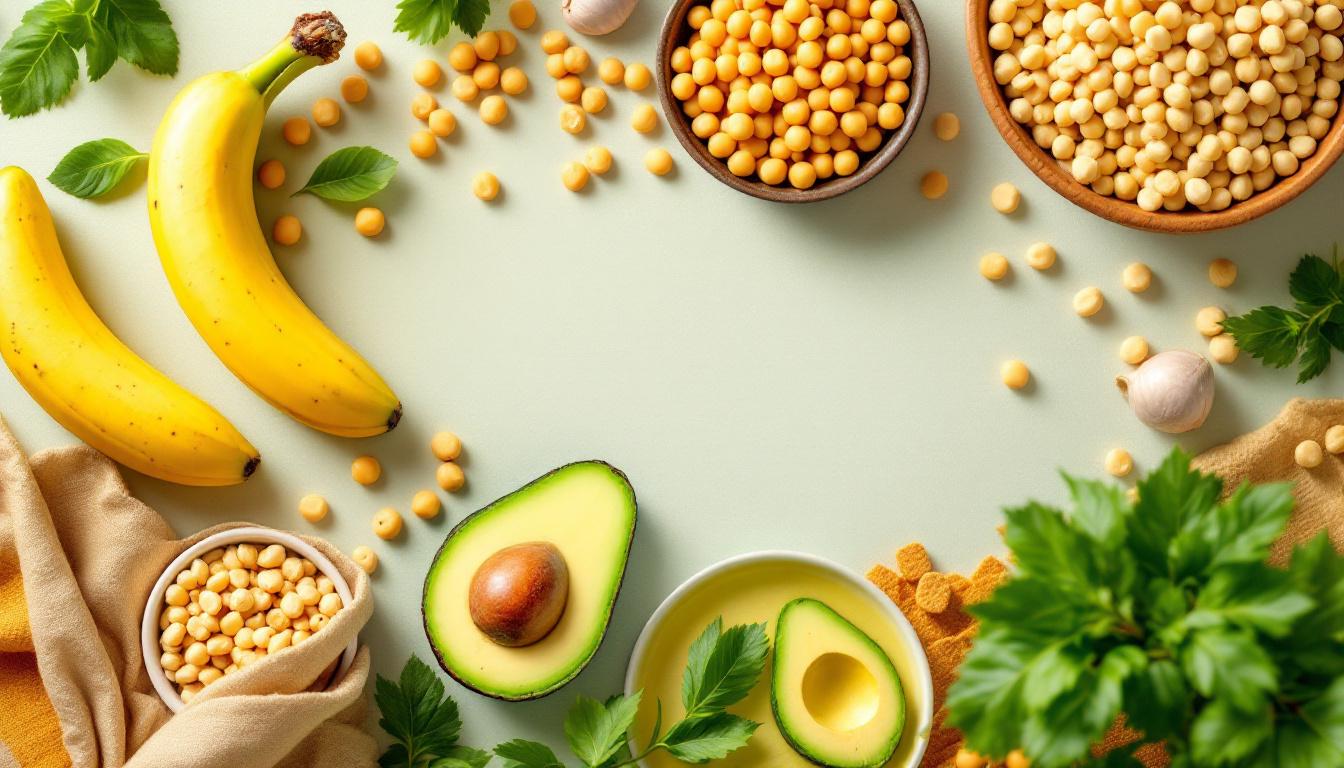
For a nutritious snack, consider enjoying a handful of sunflower seeds or a banana with peanut butter. These options are not only rich in vitamin B6 but also provide healthy fats and proteins that are beneficial during pregnancy.
The Role of Peppermint
Peppermint has been used for centuries to soothe digestive issues, including nausea. Whether consumed as tea, candies, or through inhalation of peppermint oil, this herb can help reduce feelings of queasiness. The menthol in peppermint is known for its calming effects on the stomach, making it a popular choice among pregnant women.
For a quick remedy, consider sucking on peppermint candies or sipping peppermint tea when nausea strikes. The refreshing flavor can also help mask any unpleasant tastes in the mouth, providing additional comfort.
Additional Tips for Managing Nausea
- Stay Hydrated: Sip on water throughout the day, and consider electrolyte-rich drinks if experiencing frequent vomiting. Staying hydrated is essential for overall health during pregnancy.
- Avoid Strong Odors: Certain smells can trigger nausea, so try to avoid foods with strong odors. Opt for milder options that are easier to tolerate.
- Eat Smaller, More Frequent Meals: Eating smaller, more frequent meals rather than large ones can help keep nausea at bay. This approach can prevent the stomach from becoming too empty or too full, both of which can exacerbate nausea.
Flourish Community Care: Supporting Expectant Mothers
Flourish Community Care is dedicated to providing support and resources for expectant mothers navigating the challenges of pregnancy. With a focus on holistic care, Flourish Community Care offers guidance on nutrition, wellness, and emotional support during this transformative time. Their team of experts is committed to helping mothers thrive throughout their pregnancy journey.
For more information on how Flourish Community Care can assist you during pregnancy, visit Flourish Community Care.
In conclusion, managing nausea during pregnancy can be challenging, but incorporating specific foods into your diet can provide relief. From ginger and bland foods to high-protein options and herbal teas, there are numerous strategies to help alleviate nausea. Remember to listen to your body and consult with a healthcare provider for personalized advice tailored to your unique needs.