
Determining the right time to take a pregnancy test after unprotected sex can be crucial for those who are trying to understand their reproductive health. The timing of the test can significantly affect the accuracy of the results, and knowing when to test can help alleviate anxiety and provide clarity. This guide will explore the optimal timing for pregnancy tests, the science behind hCG production, and practical recommendations to ensure reliable results.
Optimal Timing for Pregnancy Tests
The timing of a pregnancy test is essential for obtaining accurate results. Generally, the best time to take a home pregnancy test is on or after the first day of your missed period. This typically occurs about two weeks after ovulation, which is when fertilization can happen. Testing at this time maximizes the chances of detecting the hormone human chorionic gonadotropin (hCG), which is produced after a fertilized egg implants into the uterine lining.
For those eager to know sooner, some highly sensitive home pregnancy tests claim to detect hCG levels as early as six days before a missed period. However, testing too early can lead to false negatives, as hCG levels may not yet be high enough to be detected. It is advisable to wait until at least the first day of your missed period for the most reliable results.
Understanding the Menstrual Cycle
To grasp the timing of pregnancy tests, it’s essential to understand the menstrual cycle. The average cycle lasts about 28 days, but it can range from 21 to 35 days. Ovulation typically occurs around the midpoint of the cycle, approximately 14 days before the start of the next period. If unprotected sex occurs around this time, there is a higher chance of conception.
After ovulation, if the egg is fertilized, it takes about 6 to 10 days for the fertilized egg to implant into the uterine lining. Only after implantation does the body start producing hCG, which is what pregnancy tests detect. Therefore, testing too soon after unprotected sex may not yield accurate results.
The Role of hCG in Pregnancy Testing
Human chorionic gonadotropin (hCG) is a hormone produced by the placenta shortly after a fertilized egg attaches to the uterine lining. The presence of hCG in urine is what pregnancy tests measure. Understanding the timeline of hCG production can help clarify why timing is crucial when taking a pregnancy test.
When Does hCG Start to Appear?
hCG production begins approximately 6 to 10 days after conception, which corresponds with the timing of implantation. This means that even if fertilization occurs, it may take several days before hCG levels are high enough to be detected by a home pregnancy test. For this reason, testing too early can lead to false negatives, which can be frustrating for those seeking confirmation of pregnancy.
Factors Affecting hCG Levels
Several factors can influence hCG levels, including the sensitivity of the pregnancy test being used and individual variations in hormone production. Some women may produce hCG more quickly than others, while certain medical conditions or medications can also affect hormone levels. It is essential to consider these factors when interpreting test results.
Accuracy of Pregnancy Tests
The accuracy of pregnancy tests is generally high, especially when taken at the right time. However, false negatives and false positives can occur, and understanding these possibilities is crucial for anyone testing for pregnancy.
False Negatives
A false negative occurs when a pregnancy test indicates that a woman is not pregnant when she actually is. This is most common when tests are taken too early, before hCG levels are detectable. To minimize the risk of false negatives, it is recommended to wait until the first day of the missed period, as this allows for sufficient hCG levels to accumulate.
False Positives
While less common, false positives can happen. Factors such as recent pregnancy loss, certain medications, or medical conditions can lead to elevated hCG levels even when a woman is not pregnant. If a positive result is obtained, it is advisable to consult a healthcare provider for confirmation and further evaluation.
Recommendations for Taking a Pregnancy Test
To ensure the most accurate results when testing for pregnancy, consider the following recommendations:
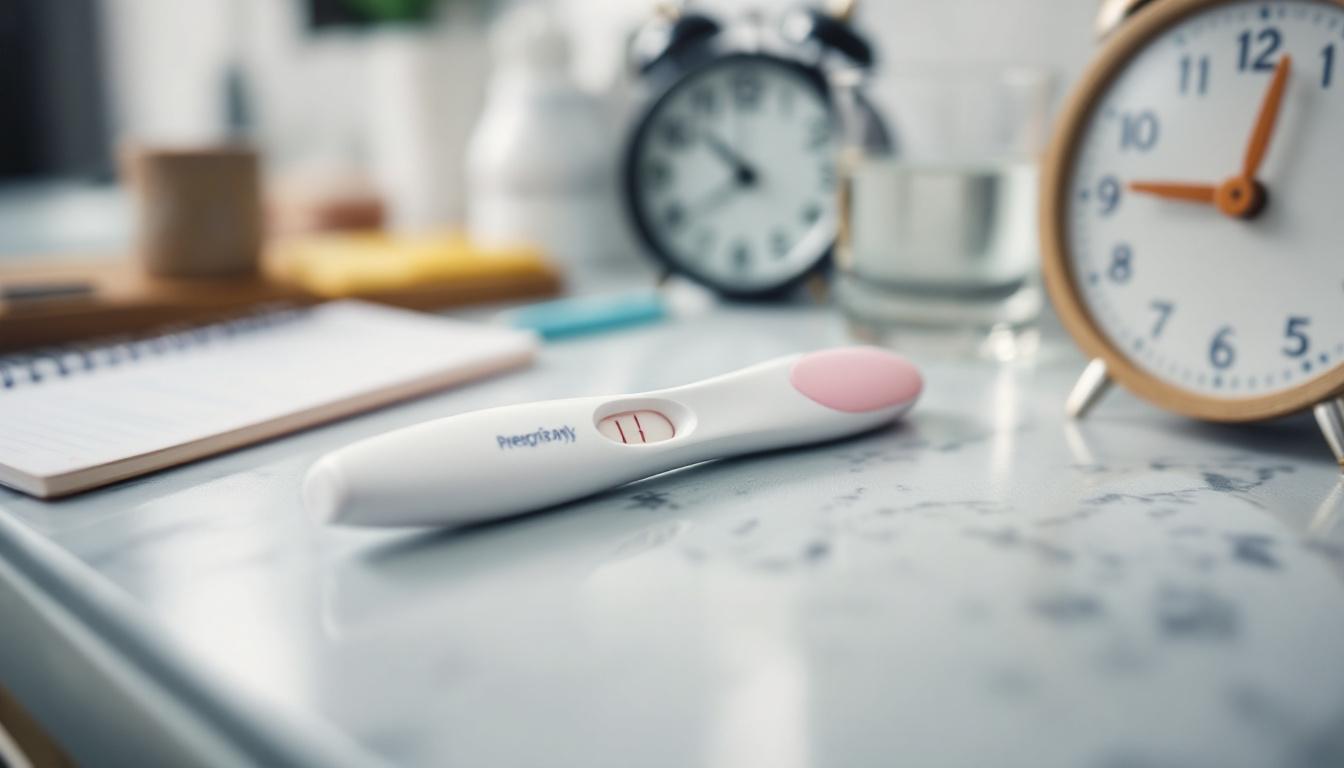
- Wait for Your Missed Period: For the best accuracy, take a home pregnancy test on or after the first day of your missed period.
- Test in the Morning: Morning urine is typically more concentrated, which can help in detecting lower levels of hCG.
- Follow Instructions: Always read and follow the instructions provided with the pregnancy test to avoid errors in testing.
Understanding Test Instructions
Each pregnancy test may have specific instructions regarding how to use it, the waiting time for results, and how to interpret the results. Following these instructions carefully is crucial for obtaining accurate results. If there is any confusion, consulting the manufacturer’s website or a healthcare provider can provide clarity.
Flourish Community Care: Supporting Your Reproductive Health
Flourish Community Care is dedicated to providing comprehensive support for individuals navigating their reproductive health. With a focus on education and empowerment, the organization offers resources and guidance for those seeking information about pregnancy, fertility, and overall wellness. Whether you are trying to conceive or simply looking to understand your body better, Flourish Community Care is here to help.
Accessing Resources and Support
Flourish Community Care provides a wealth of resources, including educational materials, workshops, and access to healthcare professionals who can answer questions and provide support. Engaging with these resources can help individuals make informed decisions about their reproductive health and understand the implications of their choices.
Consulting Healthcare Professionals
If you have questions or concerns about pregnancy testing or reproductive health, consulting a healthcare provider is always a good idea. They can provide personalized advice based on your unique circumstances and help you navigate any challenges you may face.
Final Thoughts
Knowing when to take a pregnancy test after unprotected sex is vital for accuracy and peace of mind. By understanding the timing of ovulation, implantation, and hCG production, individuals can make informed decisions about testing. Remember to wait until at least the first day of your missed period for the most reliable results, and consider reaching out to healthcare professionals for support and guidance along the way.
For more information on pregnancy testing and reproductive health, visit Austin Women’s Health, Carafem, and Flo Health for additional resources and insights.