• Skip to main content
flourish-care-logo-white
  • For Doulas
  • For Hospitals
  • Referring Patients
  • For Moms
  • Log In
  • Español
  • Kreyòl ayisyen
  • Português (Brasil)
  • Português
  • العربية‏

Your Guide to Pregnancy

Navigate each stage with confidence, from your first trimester to delivery.

Explore More Topics
•What to Expect in the First Trimester • Prenatal Visits & Tests • Morning Sickness Remedies •Baby Development Month by Month • Healthy Eating During Pregnancy •Exercising While Pregnant •Common Pregnancy Symptoms •Weight Gain During Pregnancy •High-Risk Pregnancy •Medications & Pregnancy
•What to Expect in the First Trimester

What to Expect in the First Trimester

The Beginning of Your Pregnancy Journey

The first trimester is an exciting yet sometimes overwhelming phase of pregnancy. As your body begins adjusting, you might experience new symptoms and emotions. This guide will help you understand what changes to expect, how your baby is growing, and what you can do to stay healthy during these early weeks.

Early Pregnancy Symptoms

Many people start noticing pregnancy symptoms within the first few weeks after conception. Common symptoms include:

  • Fatigue: Your body is working hard to support a growing baby, which can leave you feeling unusually tired.
  • Morning Sickness: Despite its name, nausea can occur at any time of the day. Eating small, frequent meals and staying hydrated can help.
  • Breast Changes: Your breasts may become tender and fuller due to hormonal shifts.
  • Frequent Urination: Increased blood flow and hormonal changes cause your kidneys to work harder.
  • Food Aversions and Cravings: Some foods may suddenly seem unappealing, while others become irresistible.

Your First Prenatal Visit

Scheduling your first prenatal appointment is an important step. Most providers recommend visiting around 8-10 weeks of pregnancy. During this visit, your healthcare provider will:

  • Review your medical history
  • Perform a physical exam and blood tests
  • Discuss prenatal vitamins and nutrition
  • Estimate your due date based on your last menstrual period or an ultrasound

Baby Development: Weeks 1-12

Your baby grows rapidly in the first trimester:

  • Month 1 (Weeks 1-4): The fertilized egg implants in the uterus, and the placenta begins forming.
  • Month 2 (Weeks 5-8): Major organs begin forming, and the heartbeat can often be detected.
  • Month 3 (Weeks 9-12): Fingers and toes develop, and facial features become more defined.

Tips for a Healthy First Trimester

✔️ Take prenatal vitamins – Folic acid helps prevent birth defects.
✔️ Eat a balanced diet – Focus on protein, whole grains, fruits, and vegetables.
✔️ Stay hydrated – Drinking enough water supports your baby’s growth.
✔️ Get plenty of rest – Fatigue is common; listen to your body.
✔️ Avoid harmful substances – Stay away from alcohol, tobacco, and excessive caffeine.
✔️ Manage stress – Light exercise, meditation, and deep breathing can help.

When to Call Your Doctor

Contact your provider if you experience:

  • 🚨 Severe abdominal pain or cramping
  • 🚨 Heavy bleeding or passing large clots
  • 🚨 Dizziness, fainting, or severe headaches
  • 🚨 High fever or chills
  • 🚨 Severe nausea and vomiting leading to dehydration
• Prenatal Visits & Tests

Prenatal Visits & Tests: What You Need to Know

Regular Checkups for a Healthy Pregnancy

Prenatal care ensures that both you and your baby stay healthy. Your healthcare provider will monitor your progress, detect potential concerns early, and provide guidance.

The First Prenatal Visit

Your first visit will likely be longer than others as your healthcare provider:

  • Reviews your medical history and family background
  • Performs a physical exam and blood work
  • Confirms your due date using an ultrasound or menstrual history
  • Discusses prenatal vitamins, nutrition, and lifestyle habits

Follow-Up Appointments

Prenatal checkups usually follow this schedule:

  • Once a month in the first six months
  • Every two weeks from 28-36 weeks
  • Every week from 37 weeks until birth

During follow-ups, your provider will:

  • Check your weight and blood pressure
  • Monitor your baby’s growth and heartbeat
  • Perform ultrasounds and necessary tests
  • Discuss any symptoms or concerns you may have

Common Prenatal Tests

  • Blood Tests: Check for anemia, infections, and blood type.
  • Urine Tests: Detect infections, gestational diabetes, and preeclampsia.
  • Ultrasounds: Assess baby’s growth and development.
  • Genetic Screenings: Identify risks for conditions like Down syndrome.

When to Contact Your Provider

If you experience severe pain, unusual bleeding, or notice a decrease in baby movements later in pregnancy, call your doctor right away.


• Morning Sickness Remedies

Morning Sickness Remedies That Actually Work

Coping with Pregnancy Nausea

Morning sickness can make the early weeks of pregnancy challenging. Here are some proven strategies to help manage nausea.

Why Morning Sickness Happens

Hormonal changes, increased sensitivity to smells, and low blood sugar can contribute to nausea during pregnancy. For most people, symptoms ease by the second trimester.

Natural Remedies for Morning Sickness

  • Eat Small, Frequent Meals: An empty stomach can make nausea worse.
  • Stay Hydrated: Sipping water, herbal tea, or electrolyte drinks can help.
  • Try Ginger: Ginger tea, chews, or capsules may reduce nausea.
  • Rest and Relax: Fatigue can make symptoms worse.
  • Avoid Strong Smells: Certain foods and odors can trigger nausea.
  • Use Acupressure Bands: These wristbands apply gentle pressure to relieve nausea.

When to Seek Medical Help

If vomiting is severe, leading to dehydration or weight loss, contact your provider. You may need medication for relief.

•Baby Development Month by Month

Baby Development Month by Month

Your Baby’s Growth from Conception to Birth

Throughout pregnancy, your baby undergoes incredible changes. Understanding their development can help you feel more connected and prepared.

First Trimester (Weeks 1-12)

  • Month 1: The fertilized egg implants in the uterus, and major organs start forming.
  • Month 2: The heart begins beating, and facial features take shape.
  • Month 3: The baby moves more, and fingers and toes develop.

Second Trimester (Weeks 13-27)

  • Month 4: The baby’s heartbeat can be heard with a stethoscope.
  • Month 5: You may feel the baby’s first movements (quickening).
  • Month 6: The baby develops sleep-wake cycles and starts responding to sound.

Third Trimester (Weeks 28-40)

  • Month 7: Eyes open, and brain activity increases.
  • Month 8: The baby gains weight rapidly, preparing for birth.
  • Month 9: The baby moves into a head-down position, ready for delivery.

When to See Your Doctor

  • Decreased fetal movement
  • Unusual pain or cramping
  • Severe swelling or headaches

Keeping track of your baby’s progress can make pregnancy feel more real and exciting. Stay engaged and enjoy the journey!


• Healthy Eating During Pregnancy

Healthy Eating During Pregnancy: What to Eat & Avoid

Nutrition for a Strong and Healthy Pregnancy

Eating well during pregnancy is essential for both your health and your baby’s development. Making smart food choices will provide the necessary nutrients to support a growing baby.

What to Eat

  • Lean Protein: Chicken, fish, tofu, beans, and eggs.
  • Whole Grains: Brown rice, quinoa, and whole wheat bread.
  • Fruits and Vegetables: Provide essential vitamins and minerals.
  • Dairy Products: Yogurt, cheese, and milk for calcium.
  • Healthy Fats: Nuts, seeds, and avocados.

Foods to Avoid

  • Raw Fish and Undercooked Meat: Risk of bacterial infection.
  • Unpasteurized Dairy Products: May contain harmful bacteria.
  • High-Mercury Fish: Avoid shark, swordfish, and king mackerel.
  • Caffeine and Alcohol: Can affect baby’s development.

When to See Your Doctor

Contact your provider if you experience severe food aversions, nausea preventing adequate nutrition, or signs of dehydration.

•Exercising While Pregnant

Exercise & Staying Active While Pregnant

Keeping Fit for a Healthy Pregnancy

Exercise during pregnancy can boost energy, improve mood, and prepare your body for labor.

Safe Exercises

  • Walking: A gentle way to stay active.
  • Swimming: Reduces pressure on joints.
  • Prenatal Yoga: Helps with flexibility and relaxation.

Exercises to Avoid

  • High-Impact Sports: Such as basketball or skiing.
  • Heavy Weightlifting: Can strain your body.
  • Contact Sports: Risk of injury to you and the baby.

When to Stop Exercising

🚨 Dizziness or shortness of breath
🚨 Chest pain or contractions
🚨 Sudden swelling or headache

•Common Pregnancy Symptoms

Common Pregnancy Symptoms & How to Manage Them

Navigating Pregnancy Discomforts

Pregnancy brings many changes, some more uncomfortable than others.

Common Symptoms & Relief Tips

  • Back Pain: Use supportive pillows and practice good posture.
  • Heartburn: Eat small meals and avoid spicy foods.
  • Swelling: Elevate your legs and drink plenty of water.

When to See Your Doctor

🚨 Persistent severe headaches
🚨 Sudden swelling in the hands or face
🚨 Sharp abdominal pain

•Weight Gain During Pregnancy

Understanding Weight Gain During Pregnancy

Why Weight Gain Matters

Gaining weight during pregnancy is a natural and essential part of supporting your baby’s growth. Understanding how much is appropriate can help you feel confident about the changes happening in your body.

How Much Weight Should You Gain?

The recommended weight gain depends on your pre-pregnancy weight:

  • Underweight (BMI below 18.5): 28-40 lbs
  • Normal weight (BMI 18.5-24.9): 25-35 lbs
  • Overweight (BMI 25-29.9): 15-25 lbs
  • Obese (BMI 30+): 11-20 lbs
  • Carrying twins: Up to 45 lbs

Your provider will monitor your weight at each prenatal visit to ensure you and your baby are on track.

Where Does the Weight Go?

  • Baby’s weight: ~7.5 lbs
  • Placenta and membranes: 7 lbs
  • Uterus growth: 2 lbs
  • Extra blood volume: 4 lbs
  • Breast tissue increase: 4 lbs
  • Amniotic fluid: 2 lbs
  • Body fluids and fat stores for breastfeeding: 6-8 lbs

Healthy Ways to Manage Weight Gain

  • Eat nutrient-rich foods: Focus on lean proteins, whole grains, fruits, and vegetables.
  • Stay active: Walking, swimming, and prenatal yoga can help maintain a healthy weight.
  • Listen to your body: Eat when you’re hungry and stop when full.
  • Stay hydrated: Drinking plenty of water can help control appetite and prevent excessive weight gain.

When to See Your Doctor

Contact your provider if you experience rapid weight gain, significant swelling, or trouble managing your diet. Your Flourish Care doula can also provide guidance on healthy eating and activity levels tailored to your pregnancy.


•High-Risk Pregnancy

High-Risk Pregnancy: What You Need to Know

What is a High-Risk Pregnancy?

A pregnancy is considered high-risk if complications could affect the health of the parent or baby. Having a high-risk pregnancy doesn’t mean something will go wrong, but it does mean you’ll need extra monitoring and care.

Who is at Risk?

Several factors can increase the likelihood of a high-risk pregnancy:

  • Age under 17 or over 35
  • Chronic conditions like high blood pressure, diabetes, or heart disease
  • Obesity or underweight before pregnancy
  • Carrying multiples (twins, triplets, etc.)
  • A history of pregnancy complications such as preterm labor or preeclampsia
  • Lifestyle factors like smoking, alcohol, or drug use

Common High-Risk Pregnancy Conditions

  • Preeclampsia: High blood pressure and organ damage that can lead to severe complications.
  • Gestational Diabetes: A temporary form of diabetes that requires dietary management and monitoring.
  • Placenta Previa: When the placenta covers the cervix, possibly requiring a C-section.
  • Preterm Labor: Labor that starts before 37 weeks and may need medical intervention.

How High-Risk Pregnancies Are Managed

  • More frequent prenatal visits to monitor health and baby’s growth.
  • Specialized ultrasounds and testing to detect complications early.
  • Dietary and activity adjustments based on your specific needs.
  • Consultations with specialists if needed.

When to Call Your Provider

🚨 Severe swelling, headaches, or vision changes (possible preeclampsia)
🚨 Decreased fetal movement
🚨 Regular contractions before 37 weeks
🚨 Heavy bleeding or severe abdominal pain

If you have concerns, reach out to your healthcare provider or your Flourish Care doula for guidance on managing a high-risk pregnancy.

•Medications & Pregnancy

Medications & Pregnancy: What’s Safe?

Taking Medication While Pregnant

Pregnancy changes how your body processes medications, so it’s essential to know what’s safe and what should be avoided.

Safe Medications During Pregnancy

Always consult your provider before taking any medication. Some generally considered safe options include:

  • Pain relief: Acetaminophen (Tylenol)
  • Allergies: Loratadine (Claritin), Diphenhydramine (Benadryl)
  • Heartburn: Tums, Ranitidine (Zantac), or Famotidine (Pepcid)
  • Constipation: Fiber supplements, stool softeners (Colace)
  • Cold & flu: Saline nasal spray, honey, and hot tea

Medications to Avoid

  • Aspirin and ibuprofen (Advil, Motrin) in the third trimester
  • Certain antibiotics like tetracyclines
  • Decongestants with pseudoephedrine (Sudafed) in the first trimester
  • Herbal supplements unless cleared by your provider
  • Some antidepressants—always discuss options with your doctor

How to Make Safe Choices

  • Always check with your provider before starting or stopping any medication.
  • Read labels carefully and avoid combination drugs with multiple active ingredients.
  • Opt for natural remedies when possible, such as ginger for nausea or warm compresses for headaches.

When to Call Your Provider

🚨 Severe allergic reactions (swelling, rash, difficulty breathing)
🚨 New or worsening symptoms
🚨 Accidental exposure to a high-risk medication

If you have questions about medications, your Flourish Care doula can help connect you with trusted medical advice and alternative options.

Women are loving our growing support network

Play Video
Play Video
Play Video
Play Video
Play Video
Play Video
Play Video

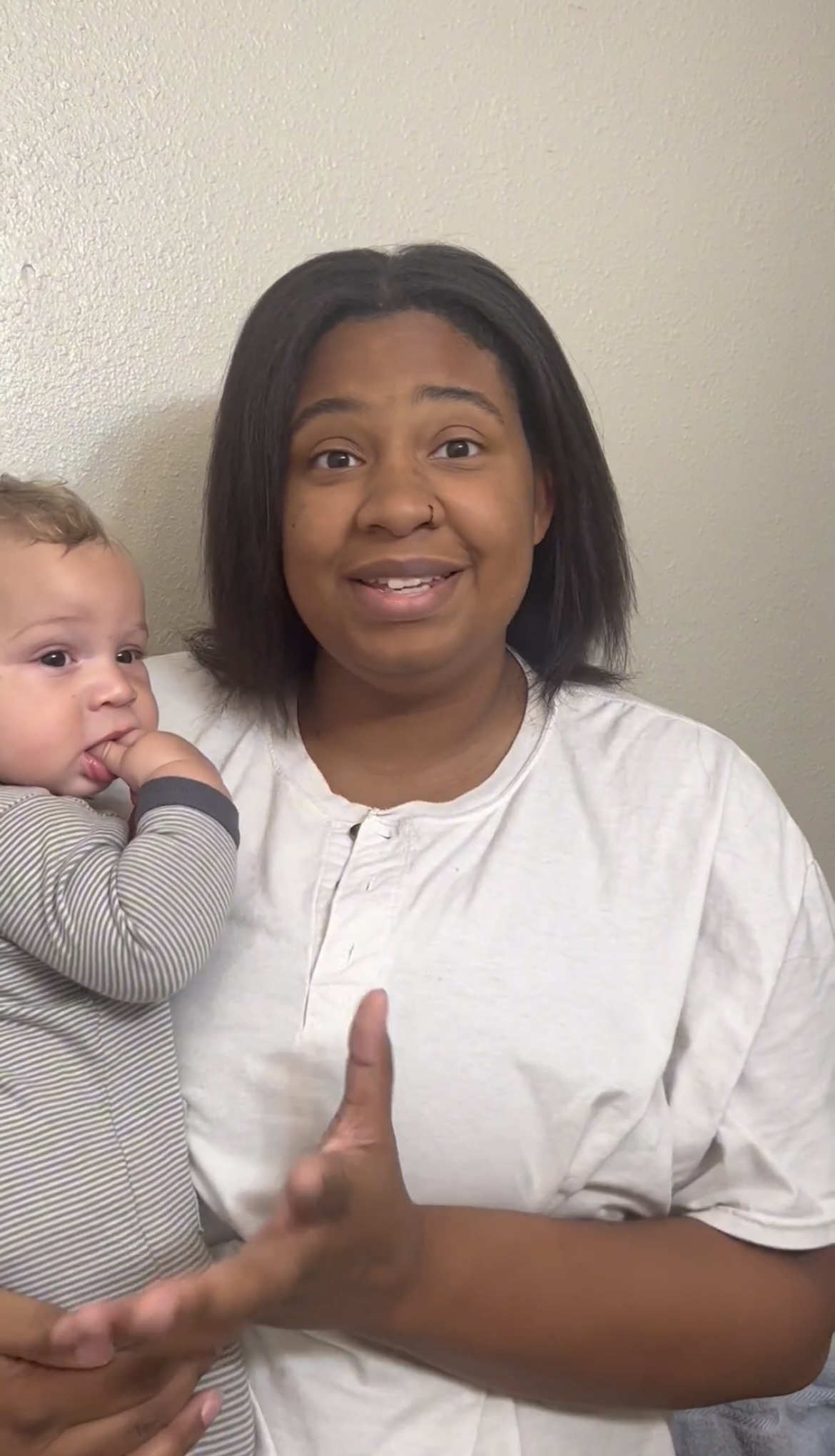
What is a doula + how they help?

Watch The Flourish Care Doula Video
Play Video

Just a few ways doulas have helped Flourish Care families

icon-1

Help build a birth plan and advocate for the experience you want
icon-2

Reduce interventions and help with pain management during labor
parents-icon-2

Support you and the baby after delivery to help you adjust to new parenthood
icon-4

Help you recover after birth while settling in at home with your new baby
icon-5

Breastfeeding and formula feeding support

icon-6

Household tasks such as laundry, grocery shopping and cooking

icon-3-new

Newborn care and sleep guidance for the whole family
icon-8

Learn about the birthing process and birthing positions through childbirth education

icon-9

Get your questions answered and connect you with local pregnancy and parenting resources

Flourish Care Leaf Icon
Flourish Fund Facebook Flourish Fund Instagram
  • Contact Us
  • Careers
  • Terms of Service
  • Privacy Policy
  • HIPAA
  • Content
  • Frequently Asked Questions
  • Educational Videos
  • Press
  • Our Story
  • Flourish Care Reviews – The Nation’s #1 Maternal Health Network