
The baby toys market is a vibrant and evolving sector, reflecting the changing preferences of parents and the developmental needs of children. With a global market value projected to reach approximately $15.2 billion by 2022 and a compound annual growth rate (CAGR) of 4.2% through 2028, the landscape of baby toys is rich with opportunities and innovations. This article delves into the latest trends, consumer preferences, and notable products that are shaping the baby toy industry.
Current Trends in Baby Toys
Market Growth and Developmental Focus
The baby toys market is experiencing robust growth, particularly in the segment of developmental toys. Valued at $10.9 billion, this category is expected to reach $15.6 billion by 2033. Parents are increasingly prioritizing toys that not only entertain but also promote early learning and skill development. This shift is indicative of a broader trend where educational value is becoming a key factor in purchasing decisions.
Developmental toys encompass a wide range of products designed to stimulate a child’s cognitive, physical, and emotional growth. From stacking blocks to interactive learning devices, these toys are crafted to engage infants and toddlers in meaningful play that fosters essential skills. As parents become more informed about child development, they are more likely to invest in toys that align with their child’s growth milestones.
Sustainability and Eco-Friendly Materials
In recent years, there has been a significant shift towards sustainability in the baby toys market. Parents are increasingly seeking toys made from safe, non-toxic, and recyclable materials. Manufacturers are responding to this demand by incorporating biodegradable materials, recycled plastics, and non-toxic paints into their products. This trend not only addresses environmental concerns but also aligns with the values of modern parents who prioritize safety and sustainability.
For instance, many brands are now producing wooden toys sourced from sustainable forests, which not only provide a tactile experience for babies but also reduce the carbon footprint associated with plastic production. This movement towards eco-friendly toys is not just a passing trend; it reflects a growing awareness of environmental issues among consumers.
Technological Integration in Toys
The integration of technology into baby toys is another prominent trend shaping the industry. Smart and interactive toys are gaining popularity, featuring app-enabled functionalities and artificial intelligence. For example, the Pixsee Play Smart Baby Camera pairs with AI-linked soft toys to deliver personalized music, stories, and soothing sounds tailored to each character. This innovation enhances the play experience, making it more engaging and educational for children.
Moreover, these technological advancements allow parents to monitor their child’s playtime and learning progress through connected apps. As technology continues to evolve, it is likely that we will see even more sophisticated toys that blend entertainment with educational content, further enriching the developmental experience for children.
Consumer Preferences and Insights
Parental Preferences for Educational Value
Modern parents are increasingly discerning when it comes to selecting toys for their children. There is a notable shift towards products that offer both entertainment and educational value. Parents are looking for toys that promote early learning, skill development, and environmental responsibility. This trend is evident in the growing popularity of STEAM-focused toys that encourage creativity, problem-solving, and critical thinking skills.
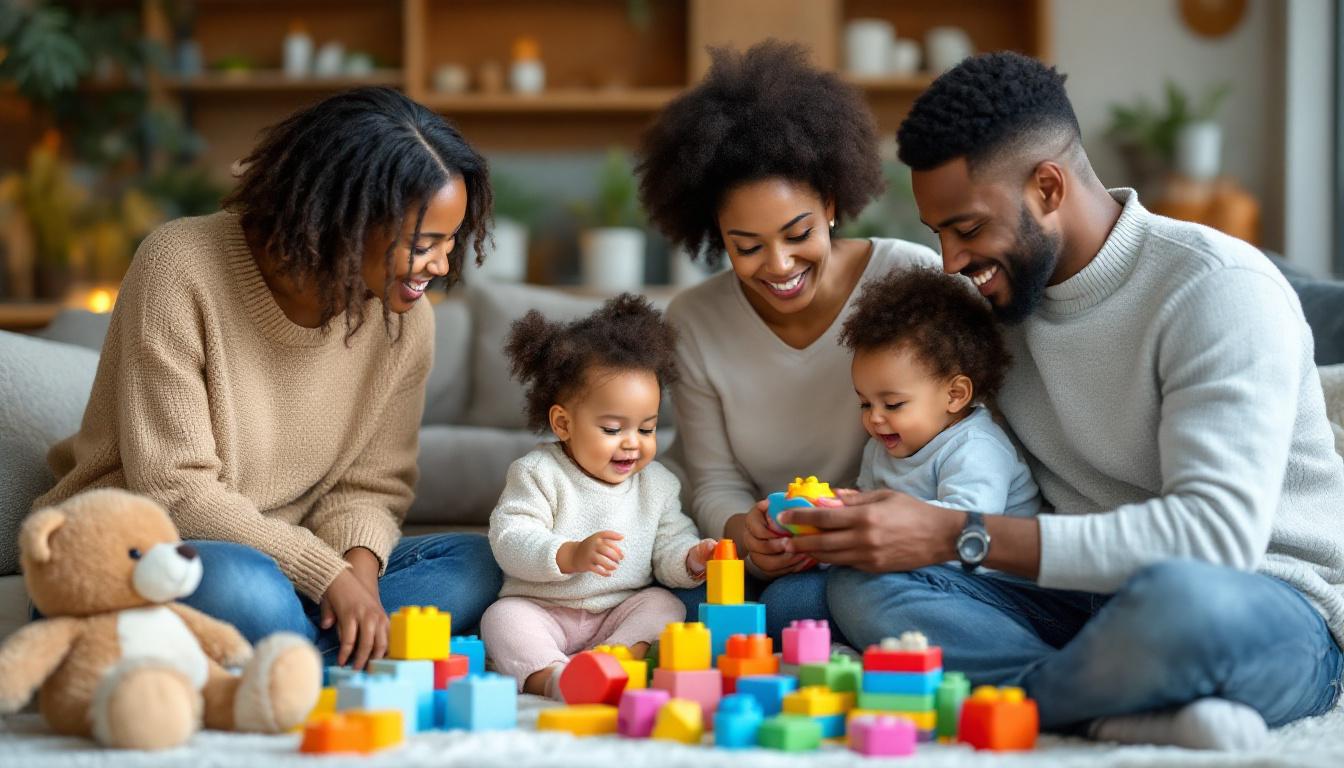
As a result, manufacturers are responding by creating toys that not only entertain but also educate. For example, toys that incorporate science, technology, engineering, arts, and mathematics (STEAM) concepts are becoming more prevalent. These toys are designed to inspire curiosity and foster a love for learning from an early age.
Safety and Quality Standards
Safety remains a paramount concern for parents when choosing baby toys. Stringent regulations govern the materials and design of toys to ensure they are safe for infants and toddlers. Parents are becoming more proactive in their safety assessments, often researching products before making a purchase. This heightened awareness pushes manufacturers to prioritize safety features in their designs.
Additionally, the demand for transparency regarding materials used in toys is increasing. Parents want to know that the toys they purchase are free from harmful chemicals and meet safety standards. This trend has led to a rise in certifications and labels that indicate a toy’s compliance with safety regulations, further reassuring parents about their choices.
Innovations and Notable Products
Iconic Toys and Their Impact
Some toys have stood the test of time and continue to be favorites among parents and children alike. One such example is Sophie the Giraffe, an iconic teething toy made from natural rubber. Since its introduction in 1961, Sophie has gained immense popularity due to its eco-friendly materials and engaging design. Parents appreciate its safety and the sensory experience it provides for babies.
Another notable trend is the rise of wooden baby toys. These toys are crafted from sustainable wood and are designed to provide sensory engagement for babies. The market for wooden toys is experiencing significant growth, driven by consumer demand for natural, eco-friendly alternatives. Parents are increasingly drawn to the tactile experience and durability that wooden toys offer.
Subscription-Based Toy Services
Subscription services for baby toys are gaining traction as a convenient option for parents. These services offer expert-curated selections of age-appropriate toys delivered to families on a regular basis. This model not only reduces decision fatigue for parents but also ensures that children receive toys that align with their developmental stages.
Many subscription services focus on educational and developmental toys, allowing parents to expose their children to a variety of play experiences without the burden of purchasing individual items. This approach not only promotes learning but also encourages creativity and exploration, making it a popular choice among modern families.
Challenges and Industry Adjustments
Impact of Tariffs on the Toy Industry
The U.S. toy industry has faced significant challenges due to tariffs on Chinese imports. These tariffs have led to increased costs for manufacturers, prompting them to adjust their strategies. Companies like Hasbro and Mattel have been forced to simplify designs, reduce features in electronic toys, and shrink packaging to cope with reduced profit margins. This has resulted in a shift in product offerings, with a focus on cost-effective solutions that still meet consumer expectations.
As manufacturers navigate these challenges, some are exploring production in countries like Vietnam and India to mitigate the impact of tariffs. For instance, Kids2 redesigned an infant chair to circumvent a 25% tariff by converting it into a rocker, which was exempt from that tariff. This adaptability highlights the resilience of the industry in the face of economic pressures.
Future Outlook for Baby Toys
The future of the baby toys market looks promising, with continued growth expected in various segments. As parents increasingly prioritize educational value, sustainability, and safety, manufacturers will need to innovate and adapt to meet these demands. The integration of technology into toys will likely continue to evolve, offering new opportunities for engagement and learning.
Additionally, the trend towards subscription-based services is expected to gain momentum, providing parents with convenient access to a diverse range of toys. As the market evolves, it will be essential for manufacturers to stay attuned to consumer preferences and industry trends to remain competitive.
Flourish Community Care
Flourish Community Care is dedicated to supporting families through various stages of parenting, including the selection of safe and educational baby toys. By providing resources and guidance, Flourish Community Care aims to empower parents to make informed choices that align with their values and the developmental needs of their children. Their commitment to quality and safety ensures that families can thrive in their parenting journey.
As the baby toys market continues to evolve, staying informed about the latest trends and innovations will be crucial for parents seeking the best for their children. By prioritizing educational value, safety, and sustainability, families can foster a nurturing environment that promotes growth and development.