
As the due date approaches, many expectant parents seek natural methods to induce labor. While medical induction methods are well-known, certain foods and drinks are believed to play a role in stimulating labor. This article delves into various culinary options, their potential effects, and the safety considerations surrounding them.
Can Certain Foods Induce Labor?
The idea that specific foods can induce labor has circulated for generations, often passed down through family traditions. While anecdotal evidence suggests that some foods may help, scientific backing is often limited. Experts like Dr. Sarah Buckley, a physician and author, emphasize the importance of understanding the body’s natural readiness for labor and how certain foods might influence this process.
Labor induction through diet is a topic of interest among both expectant mothers and healthcare professionals. While some foods may have properties that can stimulate contractions, it is essential to approach this with caution and awareness of individual health circumstances.
Natural Methods vs. Medical Induction
Natural methods of labor induction, including dietary choices, are often preferred by those seeking a gentle approach. In contrast, medical induction typically involves interventions such as medications or procedures performed by healthcare professionals. Dr. Michael Klein, a renowned pediatrician and researcher, points out that while natural methods can be beneficial, they should not replace medical advice, especially for those with specific health concerns.
Ultimately, the decision to pursue natural induction methods should be made in consultation with a healthcare provider, ensuring that both mother and baby are safe and healthy throughout the process.
Foods and Drinks That May Induce Labor
Several foods and drinks have been touted for their potential to induce labor. Here’s a closer look at some of the most commonly mentioned options.
Castor Oil: Benefits and Risks
Castor oil is often cited as a labor-inducing agent due to its laxative effects, which can stimulate the intestines and, in turn, the uterus. However, experts like Dr. Jennifer Gunter, an obstetrician-gynecologist, caution against its use. While some women report success, castor oil can lead to dehydration and gastrointestinal distress, making it a risky choice for many.
Before considering castor oil, it is crucial to weigh its potential benefits against the risks and consult with a healthcare professional to ensure safety.
Evening Primrose Oil: Effects on Labor
Evening primrose oil is another popular option, often used to soften the cervix in preparation for labor. Some studies suggest it may help facilitate cervical ripening, but the evidence is not definitive. Dr. Amy Tuteur, an obstetrician and author, notes that while it may be beneficial for some, it is essential to discuss its use with a healthcare provider to avoid complications.
As with any supplement, individual responses can vary, and it’s vital to approach evening primrose oil with informed caution.
Red Raspberry Leaf Tea: Preparation and Use
Red raspberry leaf tea has long been used in herbal medicine to prepare the body for labor. It is believed to tone the uterine muscles and may help ease labor. Experts like herbalist Rosemary Gladstar recommend starting with small amounts in the third trimester to assess tolerance. While many women find it beneficial, scientific evidence remains limited.
Preparation is simple: steep dried leaves in hot water for several minutes. However, it’s advisable to consult a healthcare provider before incorporating it into a routine.
Pineapple: Scientific Insights
Pineapple contains bromelain, an enzyme that may help soften the cervix and stimulate contractions. While some women swear by pineapple as a labor inducer, Dr. Gunter points out that the amount of bromelain in a typical serving may not be sufficient to induce labor effectively.
Nevertheless, pineapple is a nutritious fruit that can be enjoyed during pregnancy, and it may have other health benefits, making it a tasty option to consider.
Spicy Foods: Myths and Facts
Spicy foods are often rumored to trigger labor, with many believing that they can stimulate the digestive system and, consequently, the uterus. However, experts like Dr. Klein emphasize that while spicy foods may lead to discomfort, they are unlikely to induce labor in a significant way.
That said, enjoying spicy foods can be a delicious way to add variety to the diet, but expecting mothers should listen to their bodies and avoid anything that causes distress.
Dates: Nutritional Benefits for Labor
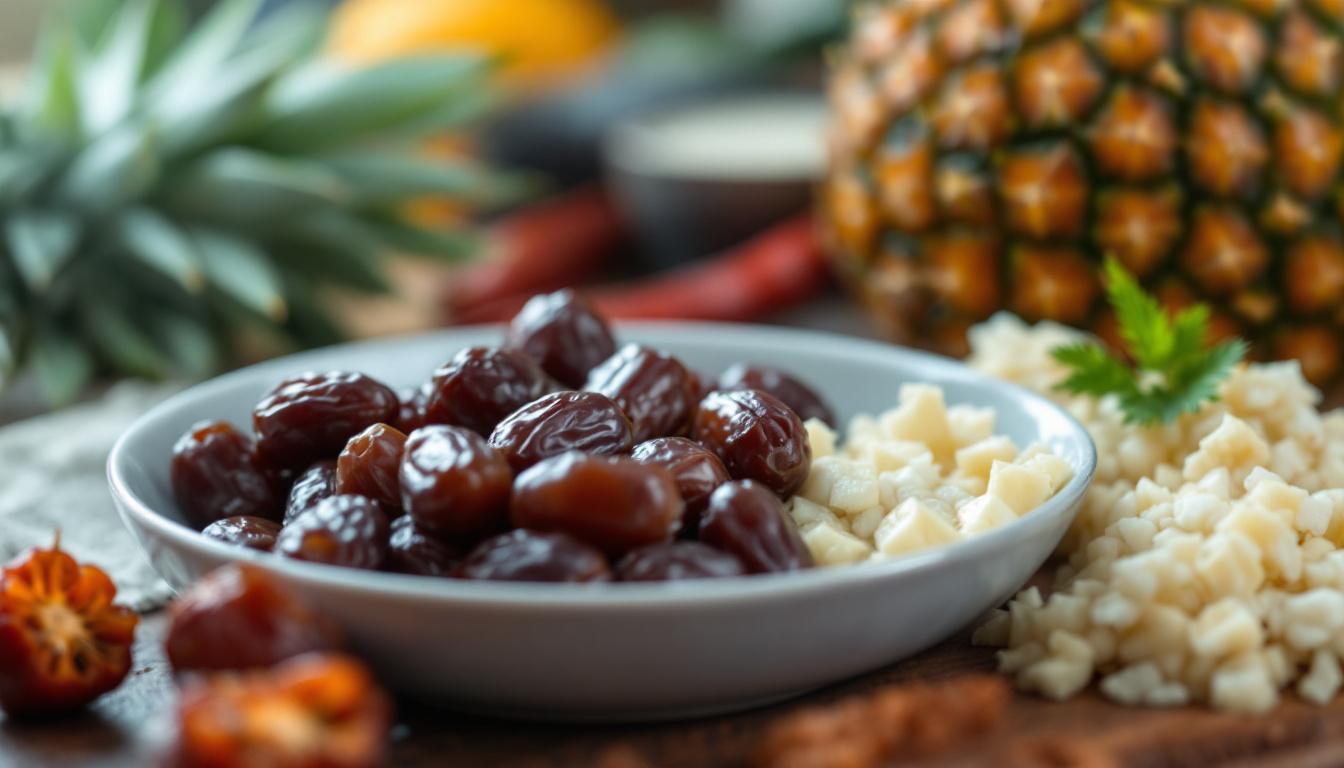
Recent studies have highlighted dates as a potential aid in labor induction. Consuming dates in the weeks leading up to the due date may help soften the cervix and reduce the need for medical induction. Dr. Gunter recommends incorporating dates into the diet as a healthy snack option, given their rich nutritional profile.
Eating dates can be a delightful way to prepare for labor, but like any food, moderation is key.
Eggplant: Does It Really Work?
Eggplant, particularly in the form of eggplant parmesan, has gained popularity as a labor-inducing food. While some women claim success, scientific evidence is scarce. Experts caution that while it may not harm, relying solely on eggplant for labor induction is not advisable.
Including eggplant in a balanced diet can provide various nutrients, but it should not be seen as a guaranteed method for inducing labor.
Balsamic Vinegar: Role in Labor Induction
Balsamic vinegar is sometimes mentioned in discussions about labor induction, primarily due to its acidity and potential effects on digestion. However, there is little scientific evidence to support its effectiveness. Dr. Tuteur suggests that while it can be a flavorful addition to meals, expecting mothers should not rely on it as a primary method for inducing labor.
As with many foods, moderation and balance are essential, and balsamic vinegar can enhance meals without any significant risks.
Safety of Inducing Labor with Foods
While many foods are touted for their labor-inducing properties, safety should always be a priority. Not all foods are suitable for every individual, and potential risks must be considered.
Potential Risks and Side Effects
Some foods and methods may carry risks, such as gastrointestinal distress or allergic reactions. Consulting with a healthcare provider before attempting any natural induction methods is crucial. Dr. Klein emphasizes that understanding personal health conditions and any potential complications is vital in making informed decisions.
Being aware of individual reactions to certain foods can help mitigate risks and ensure a safer approach to labor induction.
Consulting Healthcare Professionals
Before trying any food or method to induce labor, it is essential to consult with healthcare professionals. They can provide personalized advice based on individual health circumstances and help navigate the various options available. Dr. Buckley advises that open communication with a healthcare provider can lead to a more informed and safe approach to labor induction.
Ultimately, the guidance of medical professionals can help expectant parents make the best decisions for their health and the health of their baby.
Considerations for Inducing Labor
When considering labor induction through food, several factors should be taken into account.
Personal Health Factors
Individual health conditions can significantly influence the choice of foods for labor induction. Factors such as gestational diabetes, allergies, and other medical conditions should be considered. Dr. Tuteur emphasizes the importance of tailoring dietary choices to each person’s unique health profile.
Expectant mothers should be aware of their own bodies and how they respond to certain foods, ensuring that any attempts to induce labor are safe and suitable.
Timing and Readiness for Labor
Timing is crucial when considering labor induction. Foods that may help induce labor should ideally be consumed when the body is naturally preparing for labor. Dr. Gunter notes that understanding the signs of readiness for labor, such as cervical changes and contractions, can guide dietary choices effectively.
Listening to the body and recognizing its signals can help ensure that any attempts at induction are timely and appropriate.
Foods to Avoid Before Labor
Not all foods are beneficial when preparing for labor. Certain items should be avoided to ensure safety and well-being.
Licorice Root: Risks and Precautions
Licorice root is known to have potential risks during pregnancy, including raising blood pressure and affecting hormone levels. Experts advise avoiding licorice root, especially in the weeks leading up to labor, to minimize any adverse effects.
It’s essential to be cautious with herbal remedies and consult with a healthcare provider before consuming any unfamiliar substances.
Black or Blue Cohosh: Safety Concerns
Black and blue cohosh are sometimes recommended for labor induction, but they come with significant safety concerns. These herbs can have potent effects on the body and may lead to complications if not used correctly. Dr. Klein warns that the risks often outweigh the potential benefits, making them unsuitable for most expectant mothers.
Consulting with a healthcare provider is crucial before considering these herbs, ensuring that safety remains the top priority.
When to Contact a Healthcare Provider
It is essential to know when to seek medical advice during pregnancy, especially when considering labor induction methods. If there are any concerns about the safety of certain foods or the readiness for labor, contacting a healthcare provider is advisable. Dr. Buckley emphasizes that proactive communication can help address any issues early and ensure the health and safety of both mother and baby.
Ultimately, maintaining a collaborative relationship with healthcare professionals can provide reassurance and support during this critical time.