
Teething is a significant milestone in a baby’s development, often accompanied by a range of symptoms that can be challenging for both the child and the parents. Typically, babies begin to teethe around six months of age, although this can vary widely. Some infants may start as early as three months, while others might not see their first tooth until they are over a year old. The timing can depend on various factors, including genetics and individual development.
Experts in pediatric dentistry, such as Dr. Emily H. Smith, emphasize that each baby is unique. “Teething can be influenced by family history,” she notes. “If parents or siblings experienced early or late teething, it’s likely the baby will follow suit.” This variability means that parents should be prepared for different timelines and experiences when it comes to their baby’s teething journey.
When Do Babies Start Teething?
The first teeth to emerge are typically the lower central incisors, followed by the upper central incisors. This process can be uncomfortable and even painful for babies, leading to various signs and symptoms. Pediatricians and child development experts often recommend that parents keep an eye on their child’s behavior during this time, as it can provide valuable insights into their teething status.
Dr. Michael J. Thompson, a pediatrician with years of experience, suggests that while the average age for the first tooth is around six months, parents should not be alarmed if their child is outside this range. “Every child develops at their own pace,” he states. “It’s essential to focus on overall health and development rather than just the appearance of teeth.” This perspective helps alleviate some of the anxiety that can accompany teething milestones.
Common Teething Signs and Symptoms
As babies begin to teethe, they may exhibit a variety of signs and symptoms that can help parents identify what they are experiencing. Understanding these signs can aid in providing comfort and care during this challenging time.
1. Excessive Drooling
One of the most common signs of teething is excessive drooling. Babies may produce more saliva than usual, which can lead to wet clothes and skin irritation. This drooling is often a natural response to the discomfort of emerging teeth.
2. Teething Rash Development
With increased drooling comes the potential for a teething rash. This rash can appear on the chin, neck, or chest due to constant moisture. Parents should keep the area dry and consider using barrier creams to protect the skin.
3. Coughing or Gag Reflex
Some babies may cough or exhibit a gag reflex as they adjust to the sensation of their teeth pushing through the gums. This can be alarming for parents, but it is often a normal part of the teething process.
4. Increased Biting Behavior
Teething can lead to an increase in biting behavior, as babies seek relief from the pressure in their gums. They may bite on toys, fingers, or anything they can get their hands on. Providing safe teething toys can help redirect this behavior.
5. Frequent Crying or Whining
As discomfort sets in, many babies become more irritable and may cry or whine more frequently. This can be distressing for parents, who may feel helpless in alleviating their child’s discomfort.
6. General Irritability
Alongside crying, general irritability is a hallmark of teething. Babies may seem more fussy than usual, and their moods can fluctuate rapidly. This irritability is often linked to the discomfort they are experiencing.
7. Refusal to Eat
Teething can also affect a baby’s appetite. Some may refuse to eat due to gum discomfort, while others might prefer softer foods. Parents should be attentive to their child’s eating habits during this time.
8. Ear Pulling and Cheek Rubbing
Many babies will pull at their ears or rub their cheeks as a way to cope with the pain associated with teething. This behavior can be mistaken for an ear infection, so it’s important to observe other symptoms as well.
9. Gum Hematoma Formation
In some cases, a gum hematoma may form, which is a localized swelling of blood in the gum tissue. While this can look alarming, it is generally harmless and will resolve on its own. Consulting a pediatric dentist can provide reassurance.
Order of Baby Teeth Eruption
The order in which baby teeth erupt follows a general pattern. Typically, the central incisors come first, followed by the lateral incisors, canines, and molars. By the age of three, most children will have a complete set of 20 primary teeth.
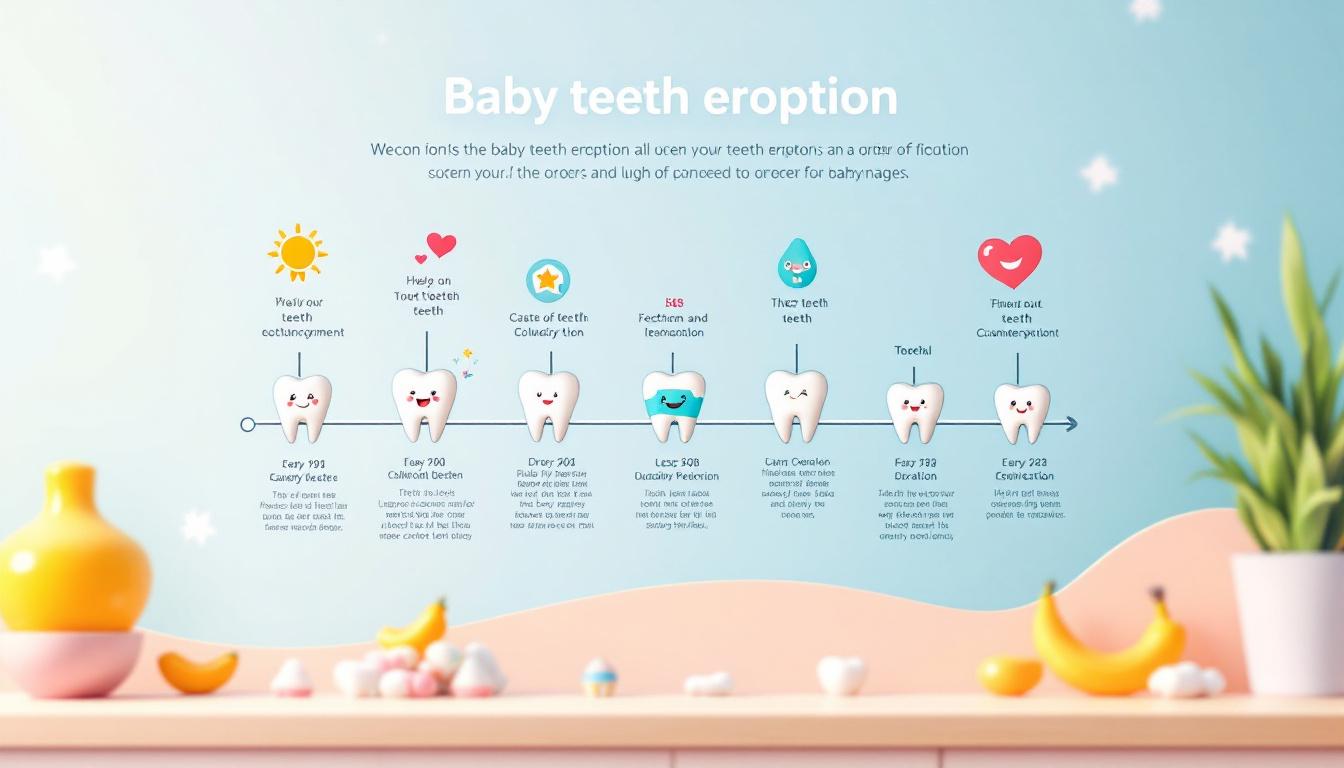
Dr. Sarah L. Johnson, a dental specialist, explains, “Understanding the eruption order can help parents anticipate when their child might experience discomfort and prepare accordingly.” This knowledge can also assist in planning dental visits, as early dental care is crucial for maintaining oral health.
Effective Methods to Soothe a Teething Baby
When a baby is teething, finding effective ways to soothe their discomfort is essential. There are several methods that parents can employ to provide relief.
1. Teething Toys and Tools
Teething toys are specifically designed to be safe for babies to chew on. These toys can help massage sore gums and provide a distraction from discomfort. Look for options made from safe, non-toxic materials.
2. Cold Temperature Relief
Cold items can be particularly soothing for teething babies. Chilled teething rings or a clean washcloth can provide relief by numbing the gums. Just be cautious not to freeze items, as extreme cold can cause discomfort.
3. Safe Pain Relievers
If the discomfort is severe, consulting a pediatrician about safe pain relievers is advisable. Over-the-counter options like acetaminophen can help manage pain, but should only be used under a doctor’s guidance.
Teething Remedies to Avoid
While there are many effective methods to soothe a teething baby, some remedies should be avoided. For instance, teething gels containing benzocaine can pose risks and are not recommended for infants. Additionally, hard foods and items that can break off may pose choking hazards.
Experts like Dr. Emily H. Smith caution against using untested remedies, stating, “Parents should always prioritize safety and consult with healthcare professionals before trying new methods.” This ensures that the strategies employed are both effective and safe for the child.
Nighttime Soothing Techniques for Teething Babies
Teething can disrupt a baby’s sleep, leading to restless nights for both the child and parents. Establishing a calming bedtime routine can help. Gentle rocking, soft lullabies, and a quiet environment can create a soothing atmosphere.
Additionally, parents may find that offering a cool teething toy just before bedtime can provide relief and comfort. Maintaining a consistent sleep schedule can also help mitigate the effects of teething on sleep patterns.
When to Consult a Doctor About Teething
While teething is a natural process, certain signs warrant a consultation with a pediatrician. If a baby experiences high fever, diarrhea, or excessive irritability, it may indicate an underlying issue unrelated to teething.
Dr. Michael J. Thompson advises, “Always trust your instincts as a parent. If something feels off, it’s better to seek professional advice.” This proactive approach ensures that any potential health concerns are addressed promptly.
Caring for Your Baby’s Emerging Teeth
As teeth begin to emerge, proper dental care becomes essential. Parents should start cleaning their baby’s gums with a soft cloth and transition to a baby toothbrush as teeth appear. Regular dental check-ups should begin by the age of one to monitor oral health and development.
Dr. Sarah L. Johnson emphasizes the importance of early dental care, stating, “Establishing good oral hygiene habits early on can set the foundation for a lifetime of healthy teeth.” This proactive approach not only helps maintain dental health but also instills positive habits in children.