
When it comes to childbirth, the position of the baby plays a crucial role in determining the delivery method and the overall safety of both the mother and the infant. A breech baby, positioned with the buttocks or feet down instead of the head, can present unique challenges. This article delves into the causes, implications, and options available when faced with a breech presentation.
Understanding Breech Presentation in Infants
Definition of Breech Position
Breech presentation refers to the position of a fetus in the womb where the buttocks or feet are positioned to be delivered first, rather than the head. This occurs in about 3-4% of pregnancies at term. The breech position can vary, leading to different types of breech presentations, each with its own implications for delivery.
Implications for Delivery
The implications of a breech presentation are significant. Experts like Dr. Mary Jane Minkin, a clinical professor of obstetrics and gynecology at Yale University, emphasize that breech births can complicate labor and delivery. The risk of cord prolapse, injury to the baby, and maternal complications increases, leading many healthcare providers to recommend cesarean delivery as a safer option.
However, not all breech presentations necessitate a cesarean section. Some practitioners advocate for vaginal breech delivery under specific circumstances, arguing that with the right conditions and skilled assistance, a safe birth can still occur. The debate continues among experts, highlighting the need for individualized care.
Types of Breech Positions Explained
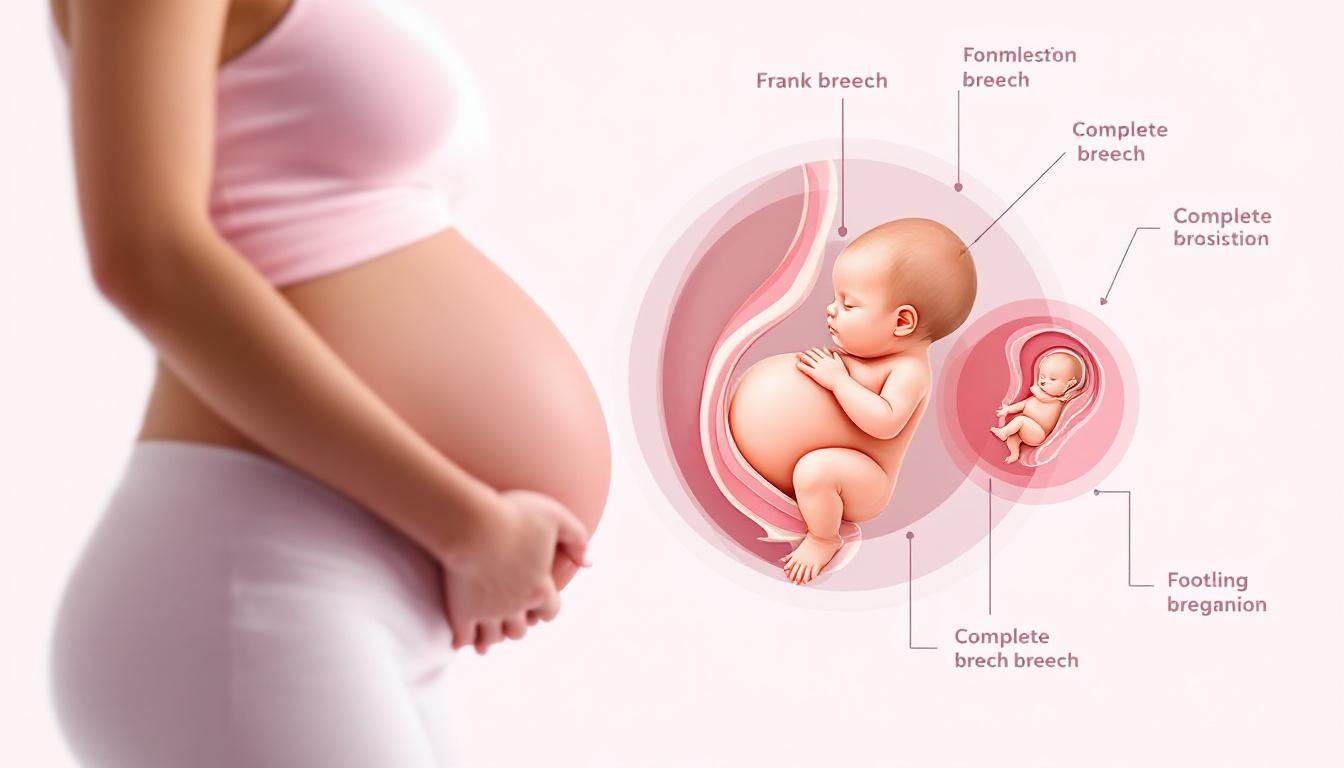
Frank Breech
In a frank breech position, the baby’s legs are extended straight up in front of the body, with the buttocks positioned to come out first. This is the most common type of breech presentation and is often considered the easiest to deliver vaginally, provided the healthcare team is experienced.
Complete Breech
A complete breech position occurs when the baby sits cross-legged, with the buttocks down and the knees bent. This position can be more challenging for vaginal delivery compared to frank breech, as the baby’s head may not be as well positioned for birth.
Footling Breech
Footling breech is when one or both of the baby’s feet are positioned to come out first. This type of breech presentation is generally considered the most complicated and risky for vaginal delivery, as it can lead to cord entrapment and other complications. Dr. Andrew W. A. McGowan, a maternal-fetal medicine specialist, notes that footling breech often leads to a recommendation for cesarean delivery.
Causes of Breech Presentation
Anatomical Factors
Several anatomical factors can contribute to a breech presentation. For instance, the shape of the uterus, the presence of fibroids, or an excess of amniotic fluid can all interfere with the baby’s ability to turn into the optimal head-down position. Dr. Jennifer Gunter, a prominent OB-GYN and author, points out that anatomical variations are common and can significantly influence fetal positioning.
Maternal Conditions
Maternal conditions also play a crucial role in determining breech presentation. Factors such as a history of breech births, multiple pregnancies (twins or more), or certain pelvic abnormalities can increase the likelihood of a baby being in a breech position. Understanding these maternal influences can help healthcare providers better prepare for potential breech presentations.
Identifying Breech Position
Signs of Breech Presentation
Identifying a breech presentation can sometimes be straightforward. Expecting mothers may notice unusual fetal movements or a lack of typical kicking patterns. Healthcare providers often perform physical examinations to assess the baby’s position, using techniques like palpation to feel the baby’s head and buttocks.
Ultrasound Confirmation
Ultrasound remains the most reliable method for confirming a breech position. This imaging technique allows healthcare providers to visualize the baby’s position accurately. Dr. Sarah Buckley, a well-known author and physician, emphasizes the importance of early detection through ultrasound, as it provides crucial information for planning the delivery method.
Turning a Breech Baby
Definition and Importance
Turning a breech baby refers to the process of attempting to reposition the fetus into a head-down position before delivery. This is often done through a procedure called External Cephalic Version (ECV). The importance of this procedure lies in its potential to reduce the need for cesarean delivery, thereby minimizing surgical risks for the mother.
Potential Risks and Benefits
While ECV can be successful, it is not without risks. Potential complications include premature rupture of membranes, placental abruption, or fetal distress. Experts like Dr. Michael Klein, a pediatrician and researcher, advocate for a thorough discussion of the risks and benefits with expectant parents, emphasizing informed consent and shared decision-making.
Methods to Turn a Breech Baby
External Cephalic Version
External Cephalic Version (ECV) is a manual technique performed by trained healthcare professionals to turn a breech baby. The procedure involves applying pressure to the mother’s abdomen to encourage the baby to rotate into the head-down position. Success rates can vary, but studies suggest that ECV can be effective in about 50-60% of cases.
Alternative Techniques
In addition to ECV, some alternative techniques may help turn a breech baby. These include exercises such as the “breech tilt” or using acupuncture. While evidence supporting these methods is limited, some practitioners report positive outcomes. Dr. Jane Evans, a midwife and researcher, encourages exploring these options, especially when traditional methods have not been successful.
Labor Considerations for Breech Birth
Common Labor Onset Scenarios
Labor onset in breech presentations can vary significantly. Some mothers may experience spontaneous labor, while others may require scheduled cesarean sections. The decision often hinges on the type of breech presentation and the individual circumstances of the pregnancy. Understanding these scenarios helps healthcare providers prepare for various outcomes.
Delivery Options and Management
Delivery options for breech babies can include planned cesarean delivery or, in select cases, vaginal delivery. The choice between these options should be made collaboratively between the mother and her healthcare team, considering the risks and benefits of each method. Continuous monitoring during labor is essential to ensure the safety of both mother and baby.
In conclusion, navigating a breech presentation requires careful consideration and collaboration among healthcare providers and expectant parents. With advancements in medical knowledge and techniques, there are more options available than ever before, allowing for a tailored approach to each unique situation.