
In the digital age, having an online presence is crucial for any professional, including doulas. A well-designed doula website not only provides essential information but also serves as a platform to connect with potential clients. This article explores the key components of an effective doula website, offering insights from experts in the field.
Why a Doula Website is Essential
A doula website acts as a virtual business card, showcasing services, testimonials, and personal philosophies. With more families seeking support during pregnancy, childbirth, and postpartum, a professional online presence can significantly enhance visibility and credibility.
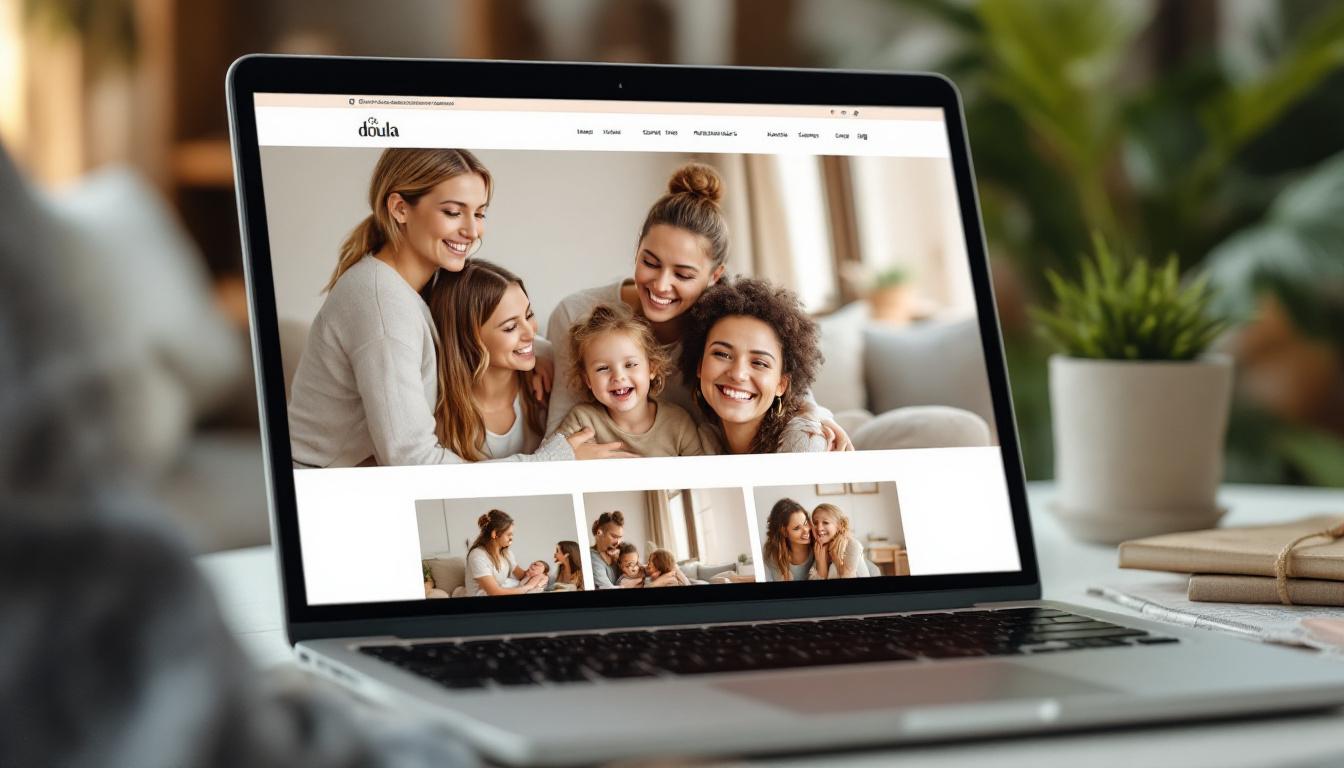
Experts like Penny Simkin, a renowned childbirth educator and doula, emphasize the importance of establishing trust through an online platform. A well-crafted website can convey professionalism and warmth, essential qualities for those seeking doula services.
Building Trust Through Design
The design of a doula website should reflect the warmth and support that doulas provide. According to web design expert Sarah Doody, a user-friendly interface is crucial. Visitors should easily navigate through the site to find information about services, pricing, and contact details.
Incorporating calming colors and images can evoke a sense of peace and reassurance. Experts recommend using high-quality images that resonate with the target audience, such as families and expectant parents. This visual appeal can create an emotional connection, making potential clients more likely to reach out.
Content That Connects
Content is king when it comes to engaging visitors on a doula website. Providing valuable information about the role of a doula, the birthing process, and postpartum support can position the doula as an expert in the field. Renowned doula and author, Rachel Y. Johnson, suggests including blog posts that address common questions and concerns of expectant parents.
Additionally, incorporating personal stories and experiences can humanize the website. Sharing testimonials from previous clients can further enhance credibility. As childbirth educator and doula, Debra Pascali-Bonaro, points out, authentic stories resonate deeply with families seeking support.
Key Features of a Doula Website
When creating a doula website, certain features are essential to ensure it meets the needs of potential clients. These features not only enhance user experience but also improve search engine optimization (SEO).
Service Descriptions
Clearly outlining the services offered is vital. Doulas often provide a range of support, from prenatal visits to postpartum care. Each service should have a dedicated section that explains what clients can expect. This clarity helps potential clients understand how a doula can assist them during their journey.
Experts recommend using bullet points to highlight key aspects of each service, making it easier for visitors to scan the information. Additionally, including pricing information can help set expectations and reduce inquiries about costs.
Contact Information
Making it easy for potential clients to reach out is crucial. A dedicated contact page should include multiple ways to connect, such as phone, email, and a contact form. According to web usability expert Jakob Nielsen, reducing the number of clicks needed to find contact information can significantly improve user experience.
Including a call-to-action (CTA) on every page encourages visitors to take the next step, whether that’s scheduling a consultation or signing up for a newsletter. Experts like Neil Patel emphasize the importance of clear CTAs in guiding users toward conversion.
Blog and Resources Section
A blog can serve as a valuable resource for expectant parents. Regularly updated content can improve SEO and establish the doula as a knowledgeable authority in the field. Topics might include birthing techniques, coping strategies, and postpartum recovery tips.
Experts suggest creating a resource library that includes downloadable guides, checklists, and articles. This not only provides value to visitors but also encourages them to return to the site for new content. As childbirth educator and author, Ina May Gaskin, notes, education is a powerful tool for empowering families.
SEO Strategies for Doula Websites
To ensure a doula website reaches its target audience, implementing effective SEO strategies is essential. This involves optimizing the website for search engines to improve visibility in search results.
Keyword Research
Identifying relevant keywords is the first step in any SEO strategy. Tools like Google Keyword Planner can help doulas find terms that potential clients are searching for. Keywords such as “doula services,” “birth support,” and “postpartum care” should be strategically incorporated throughout the website.
Experts recommend focusing on long-tail keywords, which are more specific phrases that potential clients might use. For example, “postpartum doula in [Your City]” can attract local clients actively seeking services.
On-Page SEO Techniques
On-page SEO involves optimizing individual pages to rank higher in search results. This includes using keywords in titles, headers, and throughout the content. Additionally, optimizing images with alt tags and descriptive file names can improve visibility.
Experts like Rand Fishkin emphasize the importance of creating high-quality, relevant content. Search engines prioritize websites that provide valuable information, so regularly updating the blog and resources section can enhance SEO efforts.
Local SEO Strategies
For doulas, local SEO is particularly important as most clients seek services within their geographical area. Creating a Google My Business profile can help improve local visibility. This profile should include accurate contact information, business hours, and client reviews.
Experts recommend encouraging satisfied clients to leave reviews, as positive testimonials can significantly influence potential clients. Additionally, participating in local community events and networking with other birth professionals can enhance local SEO efforts.
Maintaining Your Doula Website
Once a doula website is live, ongoing maintenance is essential to keep it relevant and functional. Regular updates, content additions, and technical checks can ensure the website continues to serve its purpose effectively.
Regular Content Updates
Consistently adding new content is vital for SEO and audience engagement. Doulas should aim to publish blog posts regularly, addressing current trends, new research, and personal experiences. This not only keeps the website fresh but also positions the doula as a thought leader in the field.
Experts like Amy Porterfield suggest creating a content calendar to plan and organize blog topics. This can help ensure a steady flow of content and prevent burnout from last-minute writing.
Technical Maintenance
Regularly checking the website for technical issues is crucial. This includes ensuring that all links are functional, images load correctly, and the site is mobile-friendly. As web developer Chris Coyier points out, a seamless user experience is essential for retaining visitors.
Additionally, monitoring website analytics can provide insights into visitor behavior, helping doulas understand which content resonates most with their audience. This data can inform future content and marketing strategies.
Final Thoughts on Doula Websites
Creating an effective doula website involves careful planning, design, and ongoing maintenance. By focusing on building trust, providing valuable content, and implementing SEO strategies, doulas can enhance their online presence and connect with families seeking support.
Experts in the field emphasize that a doula’s website is more than just a marketing tool; it is a reflection of their philosophy and approach to care. By investing time and effort into creating a comprehensive and engaging website, doulas can make a meaningful impact in the lives of families during one of their most transformative experiences.